An 12-Day Slow, Sustainable and Authentic Cultural Journey

  • 12 Days
  • Maximum Capacity: 12
  • Adult

  • Child

From 2700 Per Adult
From 1350 Per Child

Description

Details

Tour level: Easy
Altitude range: Bishkek – 800 m | Chong-Kemin – 1,400 m | Ysyk-Köl – 1,600 m | Highest point: Tash-Rabat – 3,500 m (gradual adaptation)
Weather: Temperatures vary significantly with altitude. From June to August, Bishkek may reach +35°C, while Tash-Rabat can be around +15°C. Layered clothing is strongly recommended.
Program note: The itinerary may be adjusted slightly to enhance guest experience and respond to weather or local conditions.

Small Group Prices

9–12 people: €2,700 per person
6–8 people: €2,800 per person
4–5 people: €2,900 per person
Twin accommodation, shared rooms.

Single accommodation (except in yurts) is available for an additional €350.

Departures

29 June – 10 July 2026

27 July – 7 August 2026

7 September – 18 September 2026

19 April – 30 April 2027

26 May – 6 June 2027

28 June – 9 July 2027

27 July – 7 August 2027

24 August – 4 September 2027

Duration

12 Days

Group Size

5-12

Language

English

Features

  • Community-Based Experience
  • Deep Travel Experience
  • Flexible Pace
  • Locally Led
  • Off-the-Beaten-Path
  • Silk Road Heritage
  • Slow Travel
  • Small Group Experience
  • Sustainable Tourism
Highlights Icon

An 12-Day Slow, Sustainable and Authentic Cultural Journey

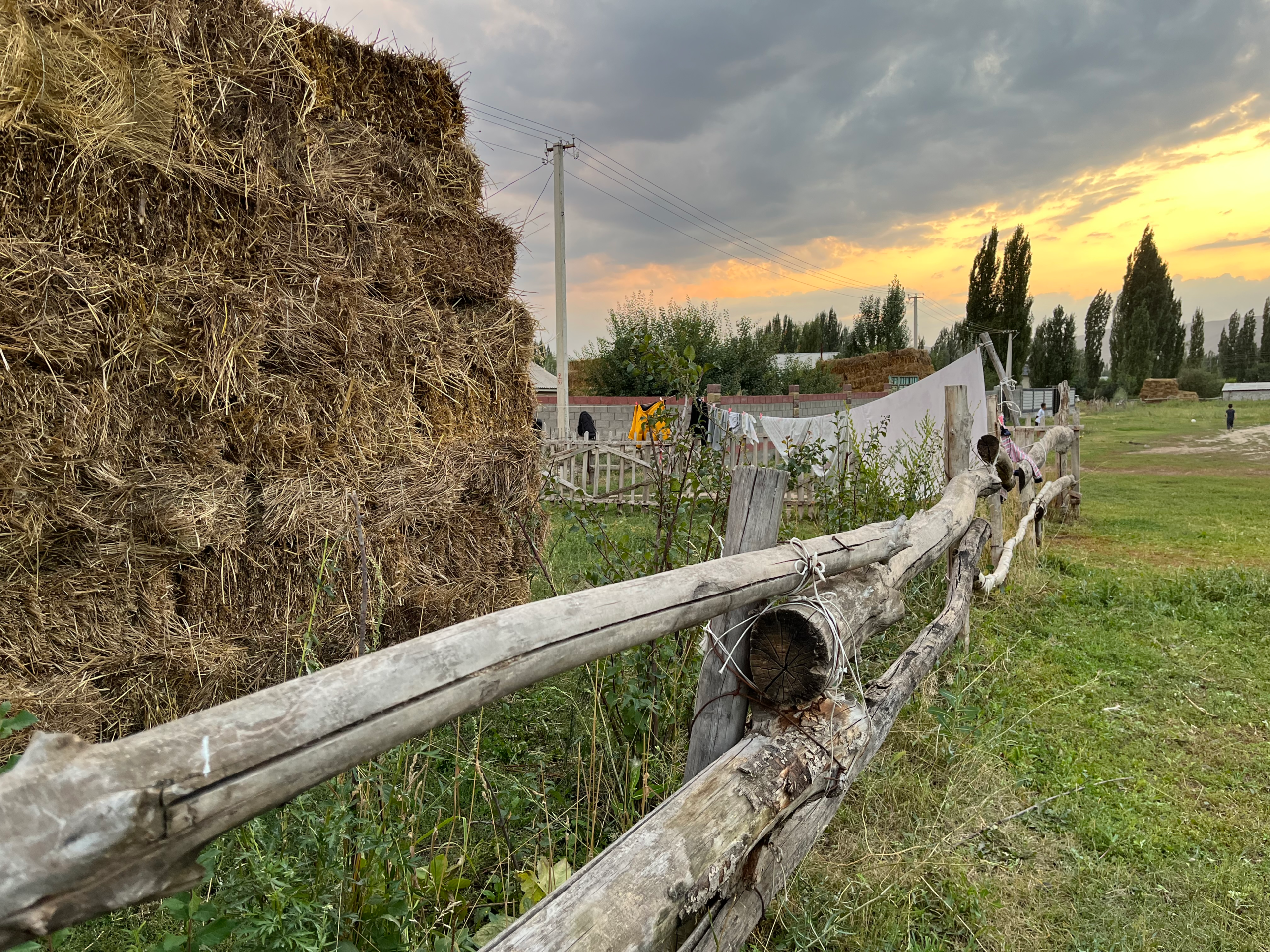
 Kyrgyzstan is a country where mountains shape both the people and the way of life. With more than 90% of its territory rising into alpine landscapes, this is a place where seasons change within hours, hospitality outweighs hardship, and time flows differently. Nomadic values such as respect for nature, trust between people, and deep resilience remain alive here. This journey invites you to slow down and explore Kyrgyzstan from within: walking city streets layered with history, sharing meals in village homes, learning ancestral crafts, resting by vast lakes, and spending nights under star-filled skies. It is a journey shaped by human connection, community-based tourism, and gentle exploration - where learning happens slowly and naturally, through presence.

Included

  • English-speaking local guide
  • Private transportation throughout the tour (let us know if airport transfer is needed)
  • All meals (breakfast, lunch, dinner)
  • 11 nights accommodation: hotel, authentic cozy guesthouse, homestay and yurt stay
  • All listed cultural activities and workshops

Excluded

  • International flights
  • Travel & medical insurance
  • Personal expenses and drinks
  • Unforeseen costs

Travel Itinerary

Day 1 - Arrival in Bishkek: A City of Layers

We meet in Bishkek, the capital of Kyrgyzstan—a city where nomadic philosophy, Soviet modernism, and contemporary life coexist. Framed by the snow-capped Tien Shan mountains, Bishkek is green, spacious, and quietly dynamic.

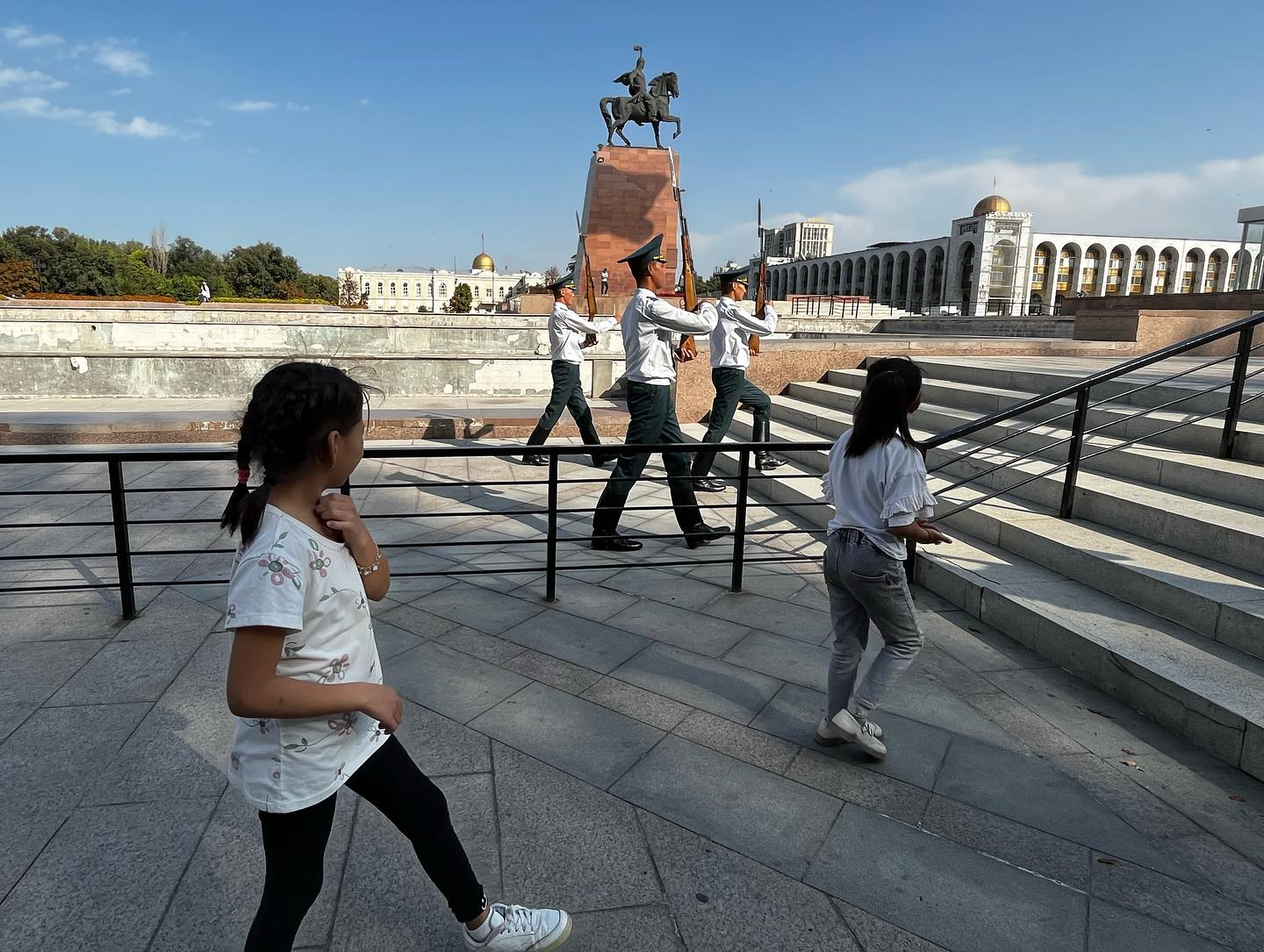
Our walking city tour introduces you to the historic Golden Quarter, including Ala-Too Square, the Manas Monument, Oak Park, the Opera and Ballet Theatre, the White House, and the Old Square. Along the way, your guide shares stories of Kyrgyz history, Soviet urban planning, independence, and everyday life today. We pause in shaded parks, observe local rhythms, and explore how ancient Tengri beliefs, Islamic traditions, and modern lifestyles blend seamlessly.

The day is complemented by local Central Asian cuisine—flavorful, seasonal, and rooted in hospitality.
Overnight in a Bishkek hotel

Day 2 - Along the Silk Road to Chong-Kemin Valley

Leaving Bishkek, we travel along a route once used by Silk Road caravans.

Today we delve into the history of the ancient Silk Road cities of Nevaket and Balasagun, once vibrant centers of trade, culture, and spiritual life. Walking among the ruins of temples, fortresses, and caravanserais, we uncover hidden layers of history and imagine the lives of medieval merchants, craftsmen, and travelers.

A special highlight is our visit with a local family from one of Kyrgyzstan’s minority communities, the Meskhetian (Ahiska) Turks. In 1944, the entire Meskhetian Turk population was forcibly deported from southern Georgia under Stalin’s rule. Today, small communities live across Central Asia, contributing to Kyrgyzstan’s cultural diversity. Over a shared meal, we learn about their history, resilience, and traditions.

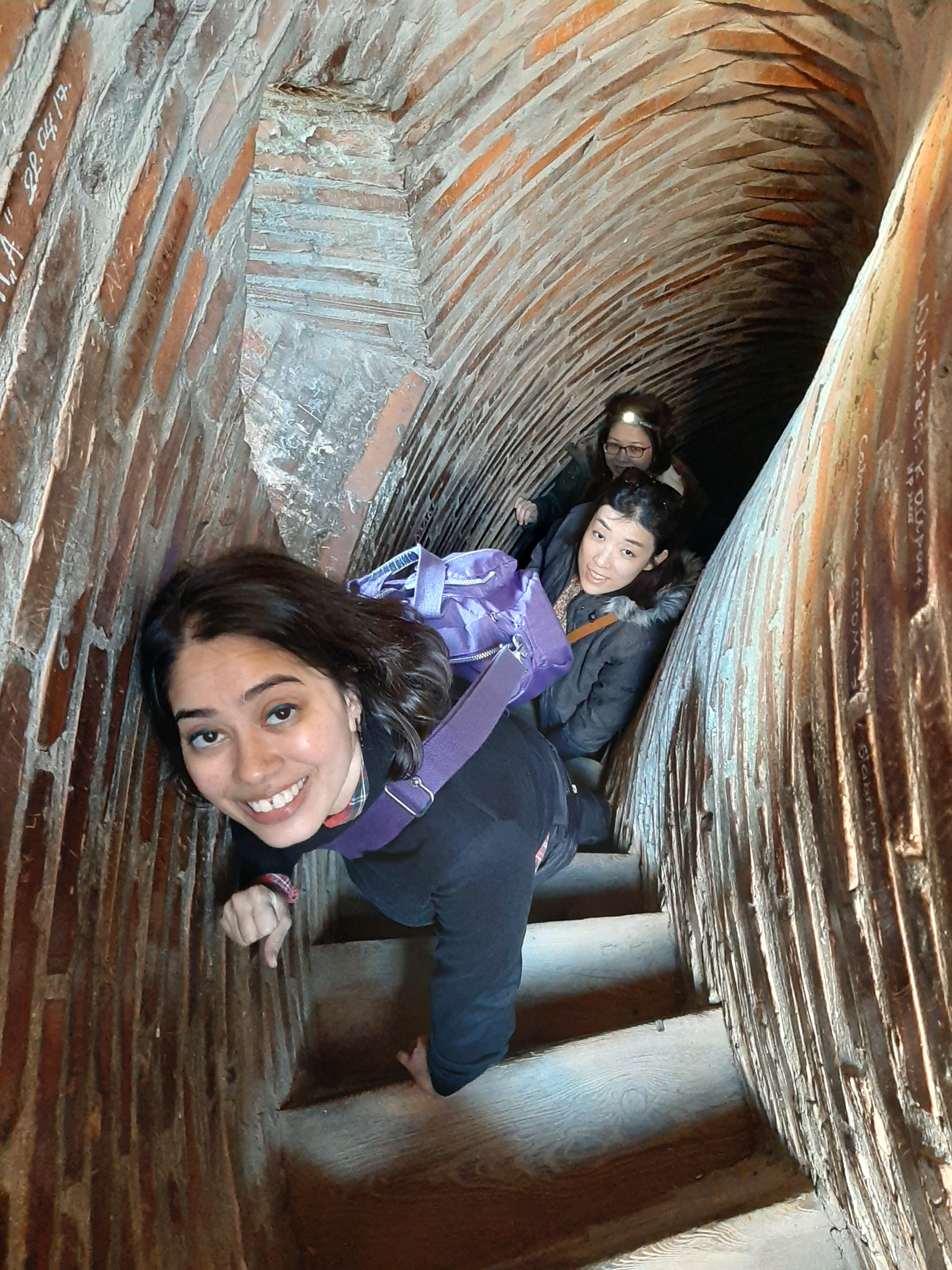
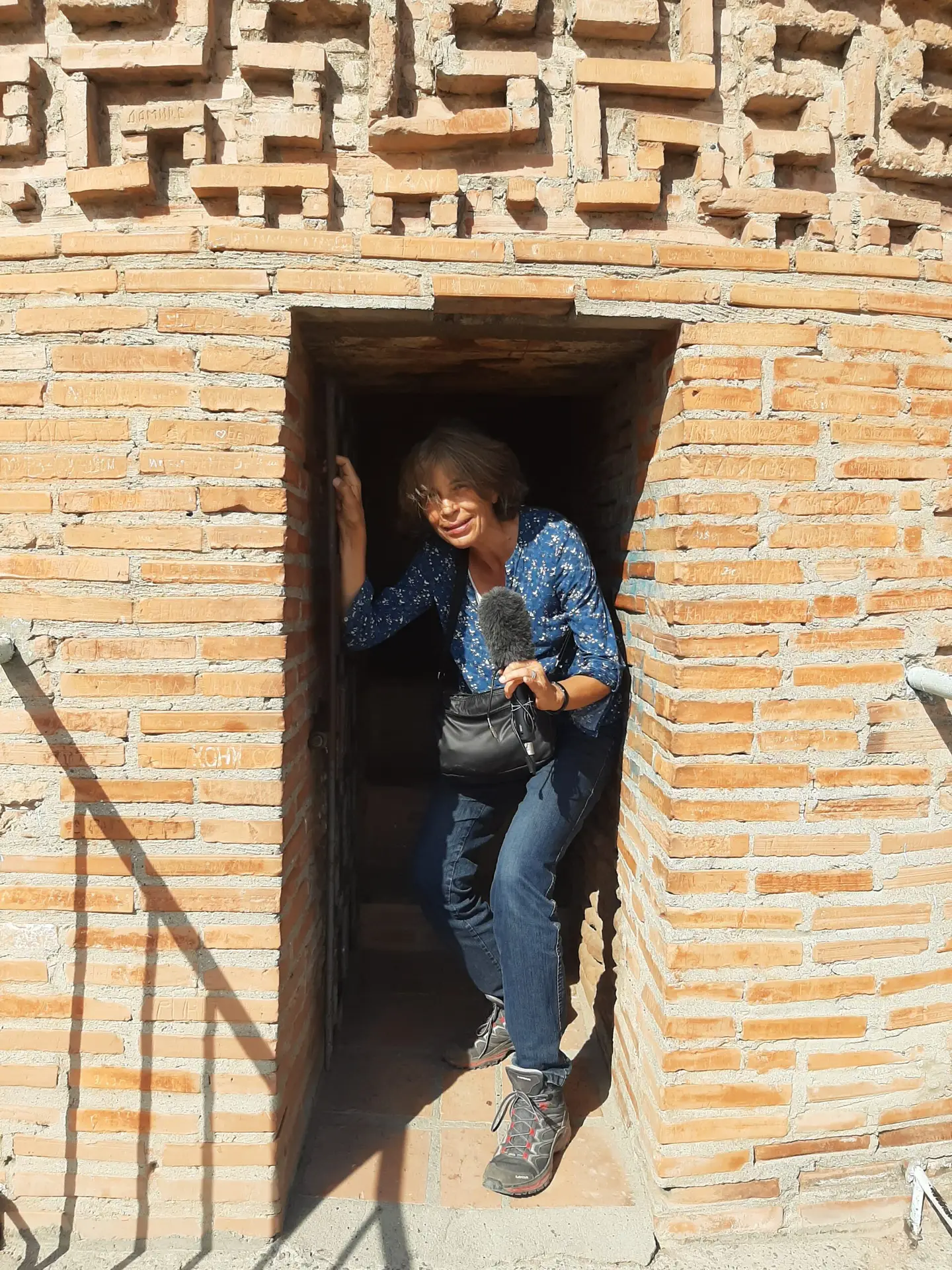
Our next stop is the Burana Tower, a 10th–11th century minaret and the last standing structure of the ancient city of Balasagun. Here we explore medieval Islamic architecture and the tower’s role as a call to prayer and a navigation landmark for travelers.

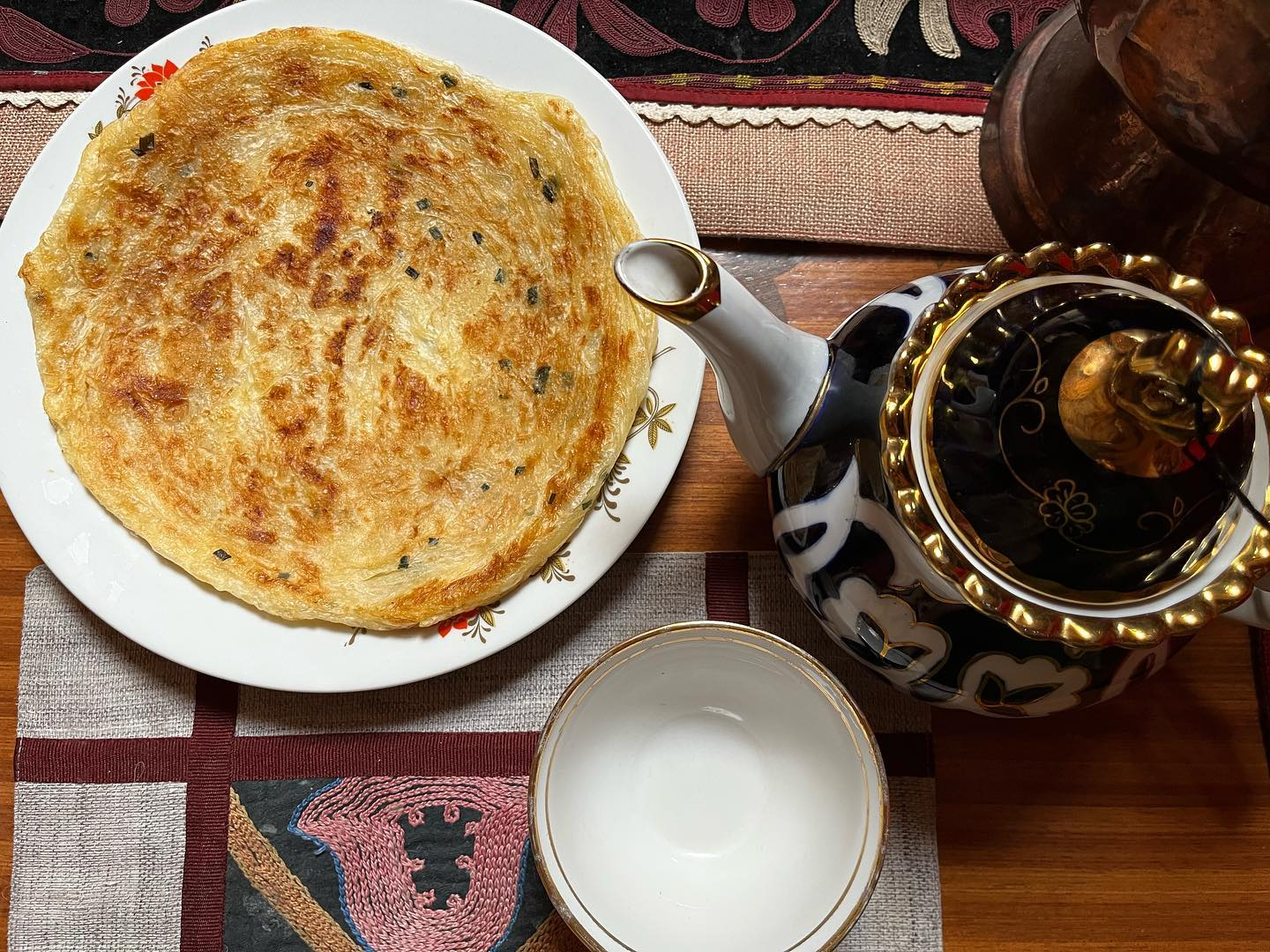
We stop along the road to enjoy freshly baked kattama bread and traditional milk tea. By evening, we arrive in Chong-Kemin National Park and settle into a cozy, family-run guesthouse, embracing the stillness of rural life.
Overnight in a local homestay in Chong-Kemin
Driving distance: 152 km (approx. 2.5 hours)

Day 3 - Valley Life, Nature & Home Cooking

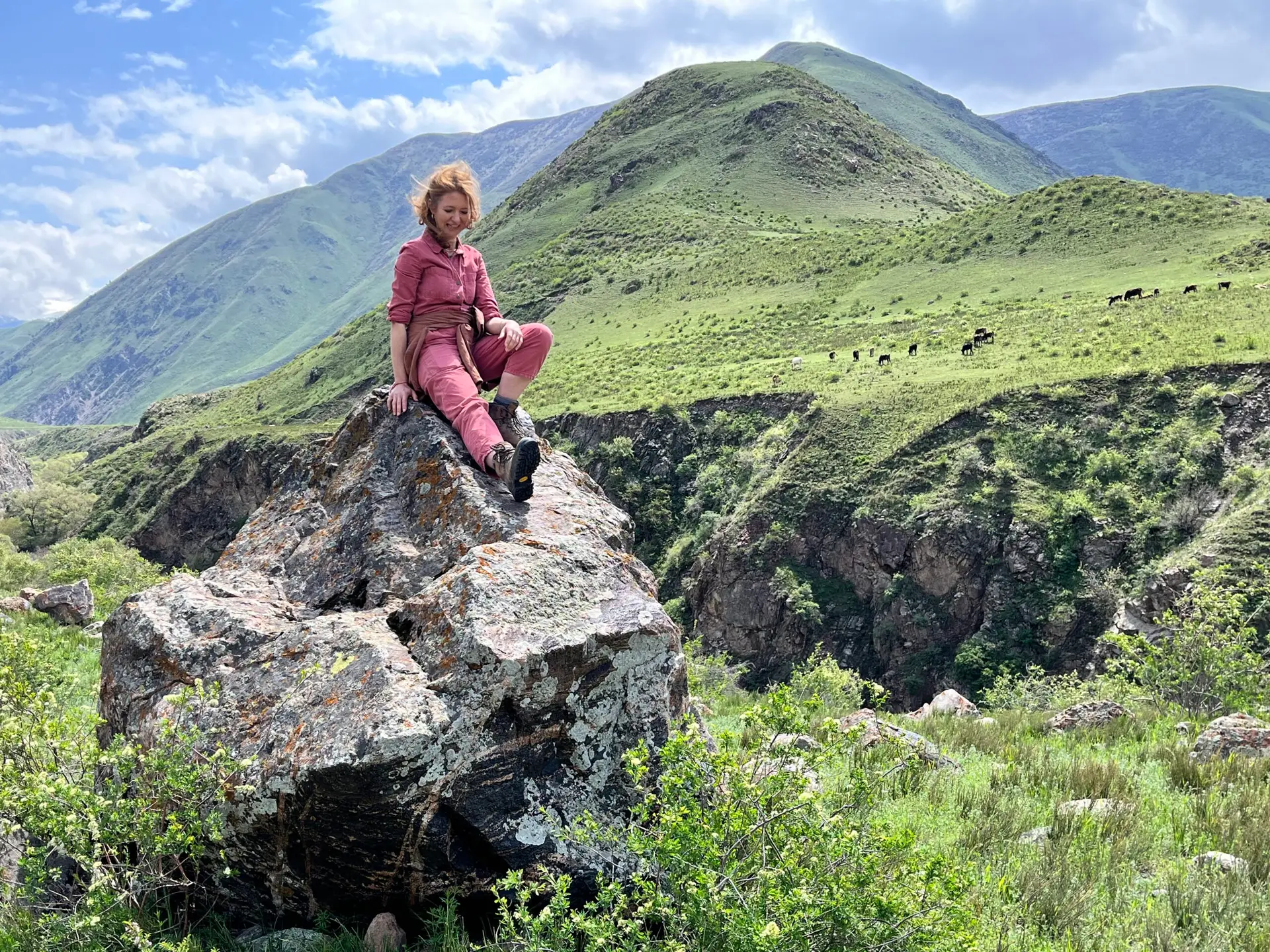
The day begins with fresh mountain air. Chong-Kemin National Park is a protected valley known for its rich biodiversity and strong community-led conservation efforts. Forests, alpine meadows, rivers, glaciers, and wildlife coexist here, including ibex, deer, and rare mountain species.

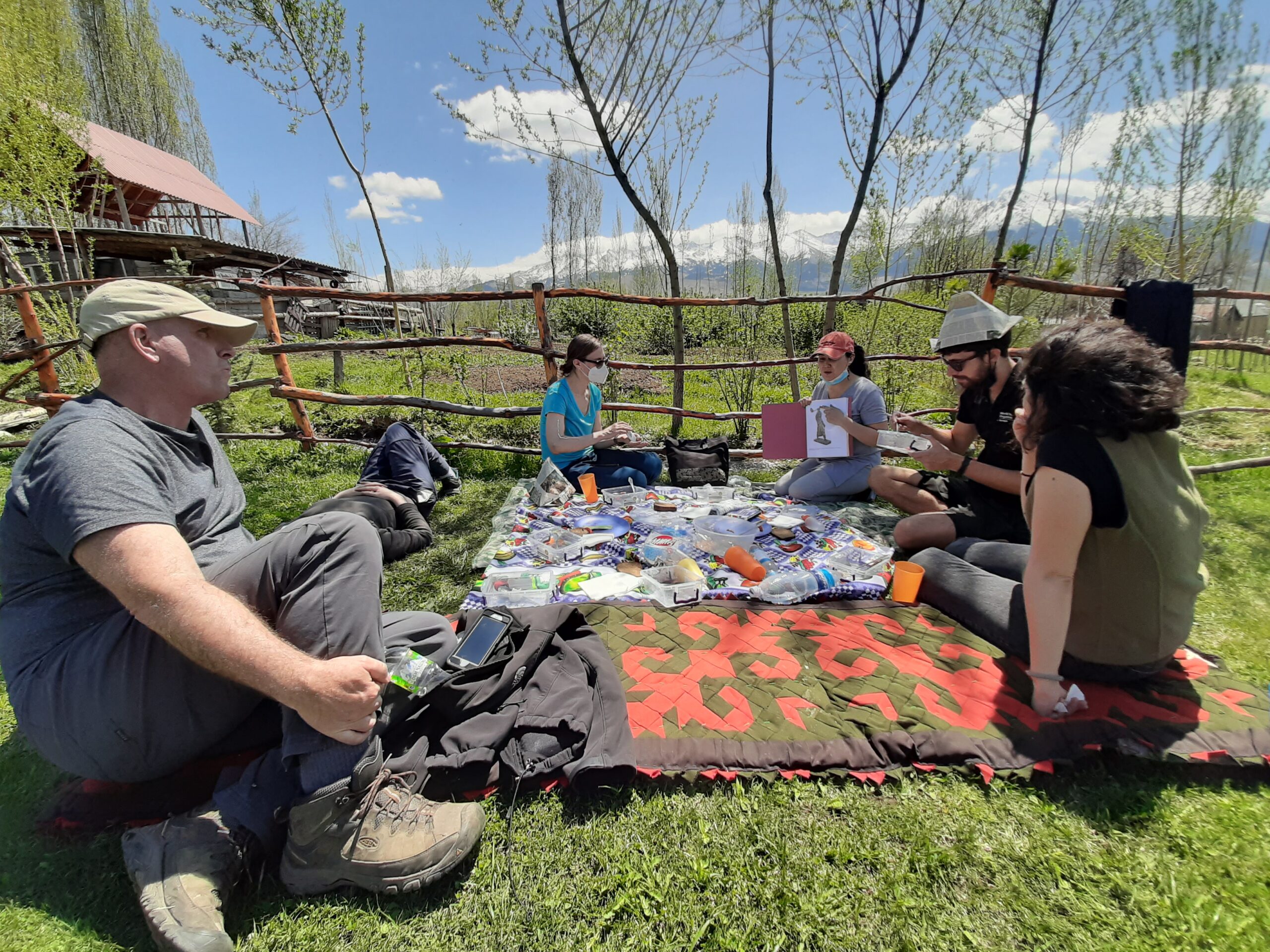
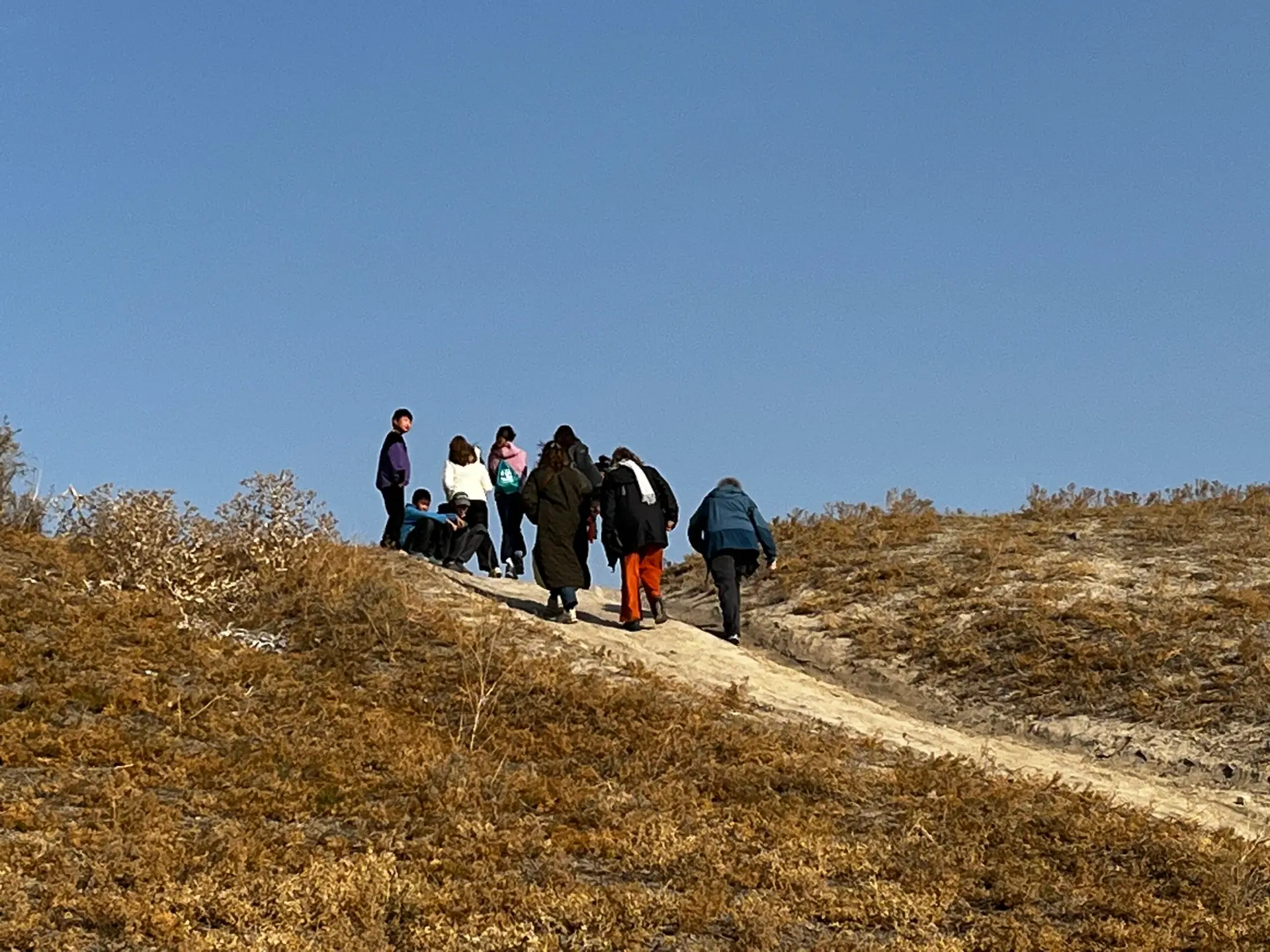
At a relaxed pace, we take a gentle walk through the valley, following farmlands, rivers, pastures, and forest edges. Moving slowly allows space to observe, reflect, and connect with the land. We enjoy a picnic surrounded by nature.

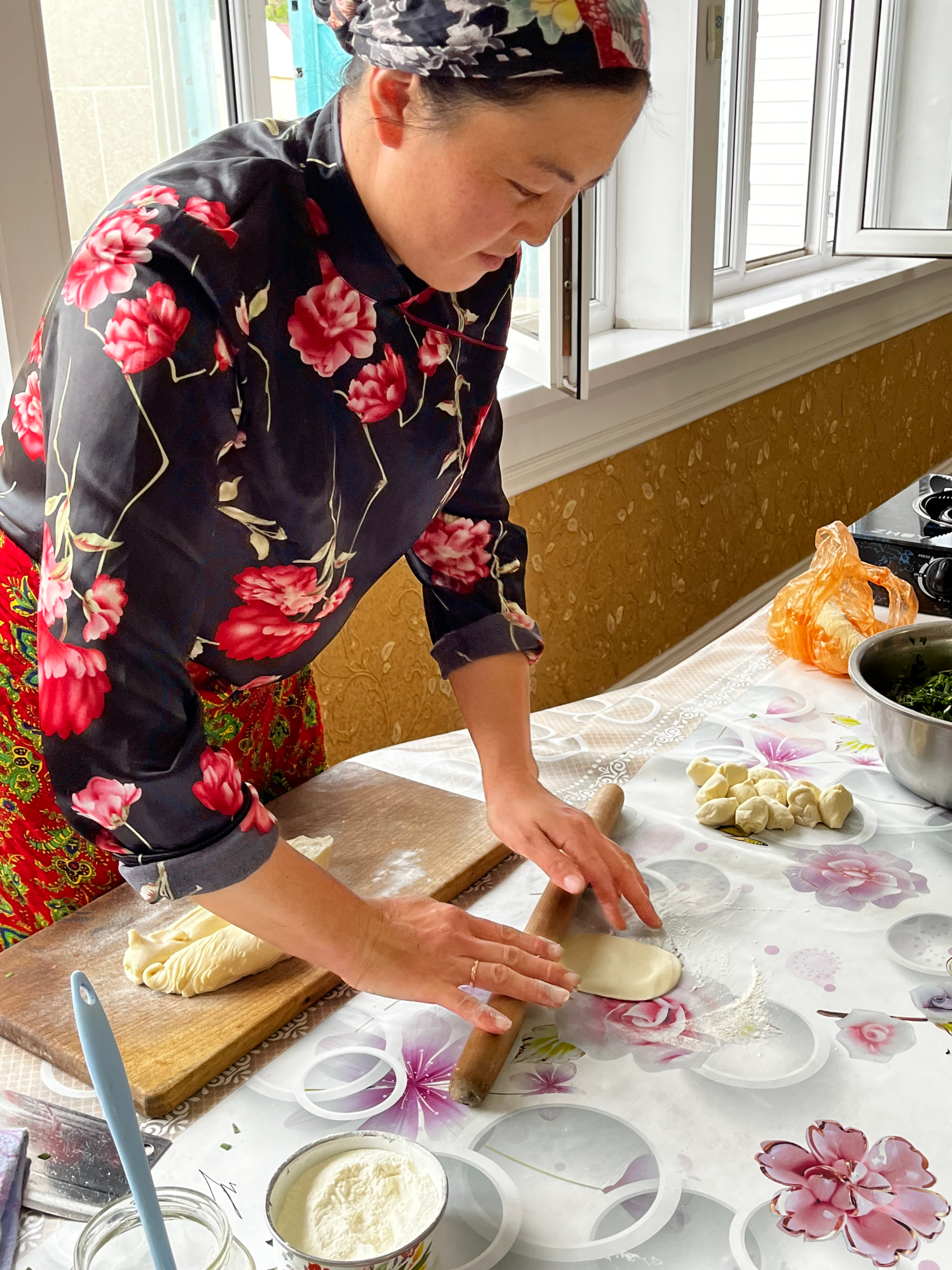
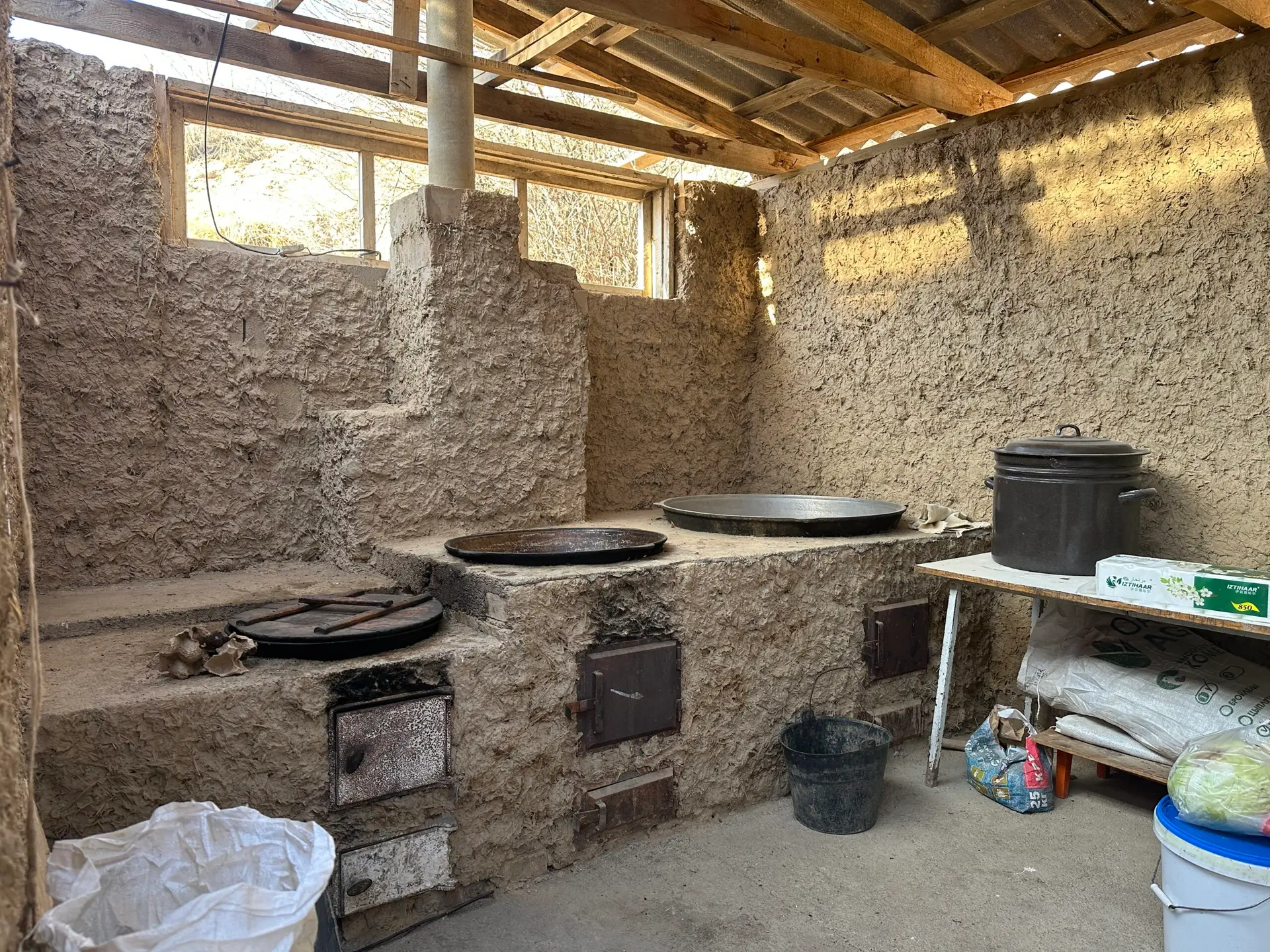
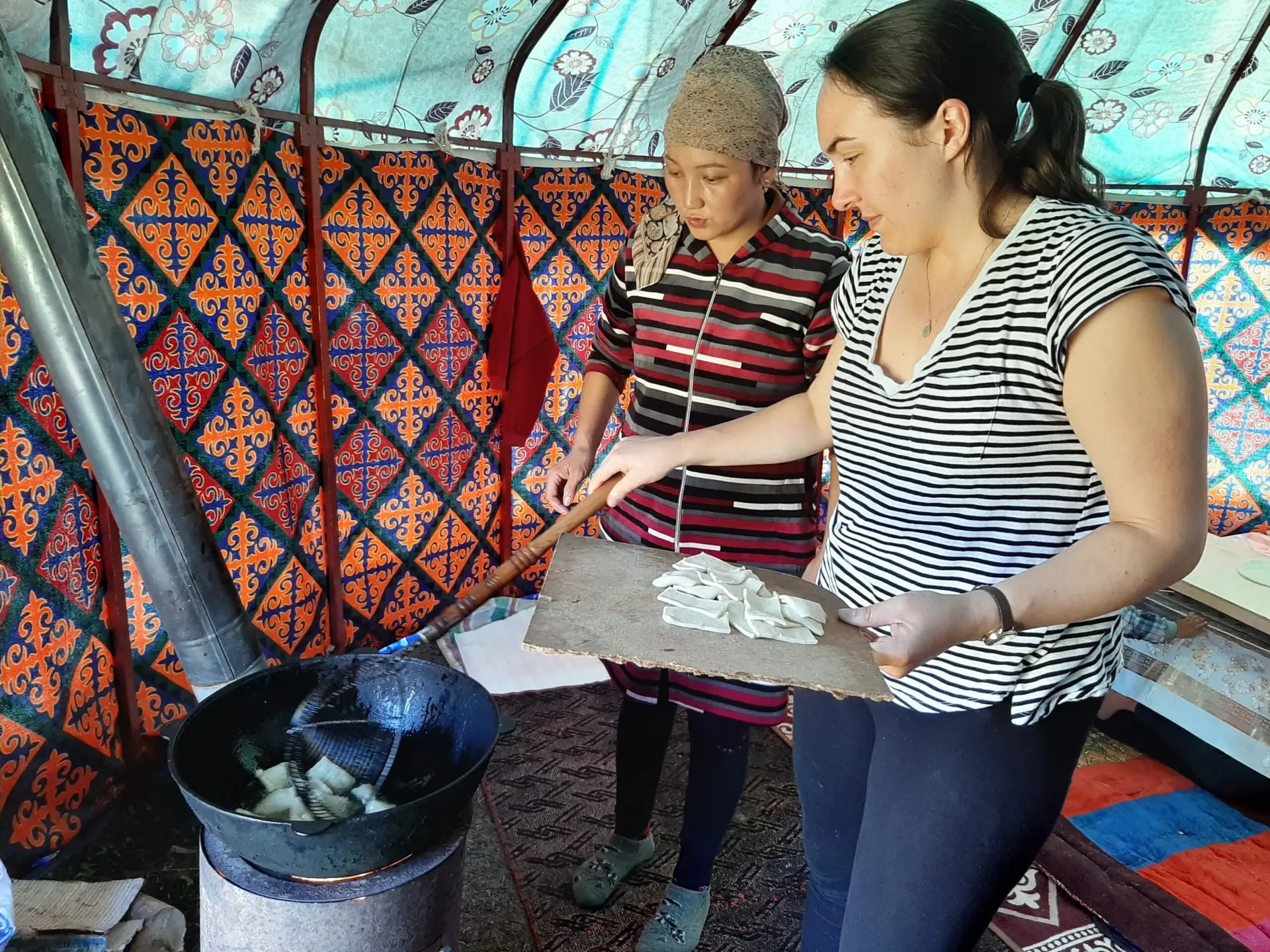
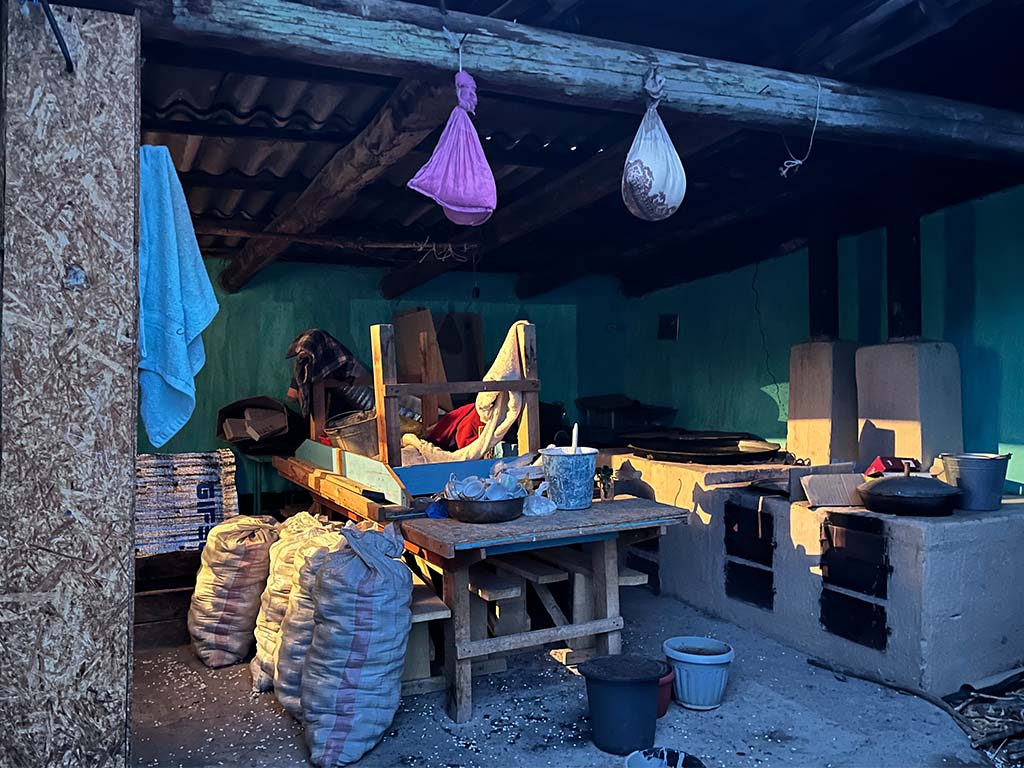
In the late afternoon, we join our host in her home kitchen to learn how to prepare a traditional Kyrgyz dish. Cooking together becomes a meaningful cultural exchange filled with stories of family life, seasonal traditions, and food as an expression of care.

The evening is quiet and unstructured—ideal for rest, journaling, or simply sitting beneath a sky bright with stars.
Overnight in a local homestay in Chong-Kemin

Day 4 - From Mountain Calm to the Sacred Lake

After a slow morning and relaxed breakfast, we continue through the dramatic Boom Gorge, a narrow passage once considered one of the most dangerous Silk Road crossings. Along the way, we learn about events that deeply shaped Kyrgyzstan’s history, including the 1916 Central Asian uprising. Running beside us is a WWII-era railway built by prisoners of war, a silent witness to another layer of history.

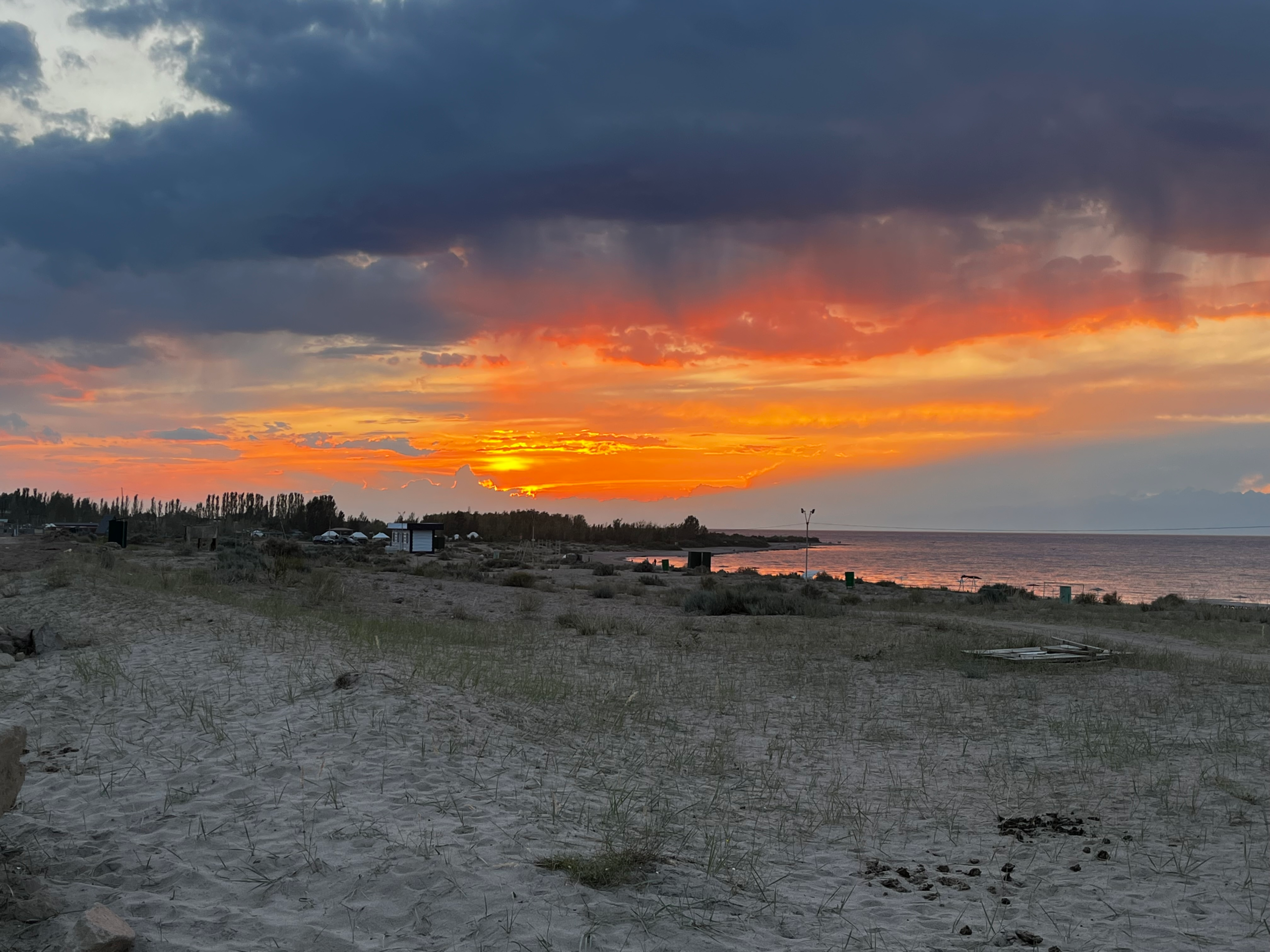
As the landscape changes, we reach Ysyk-Köl Lake, one of the world’s largest alpine lakes and a UNESCO Biosphere Reserve. Situated at 1,600 meters above sea level, the lake has its own microclimate and a unique ecosystem, surrounded by mountain ranges.

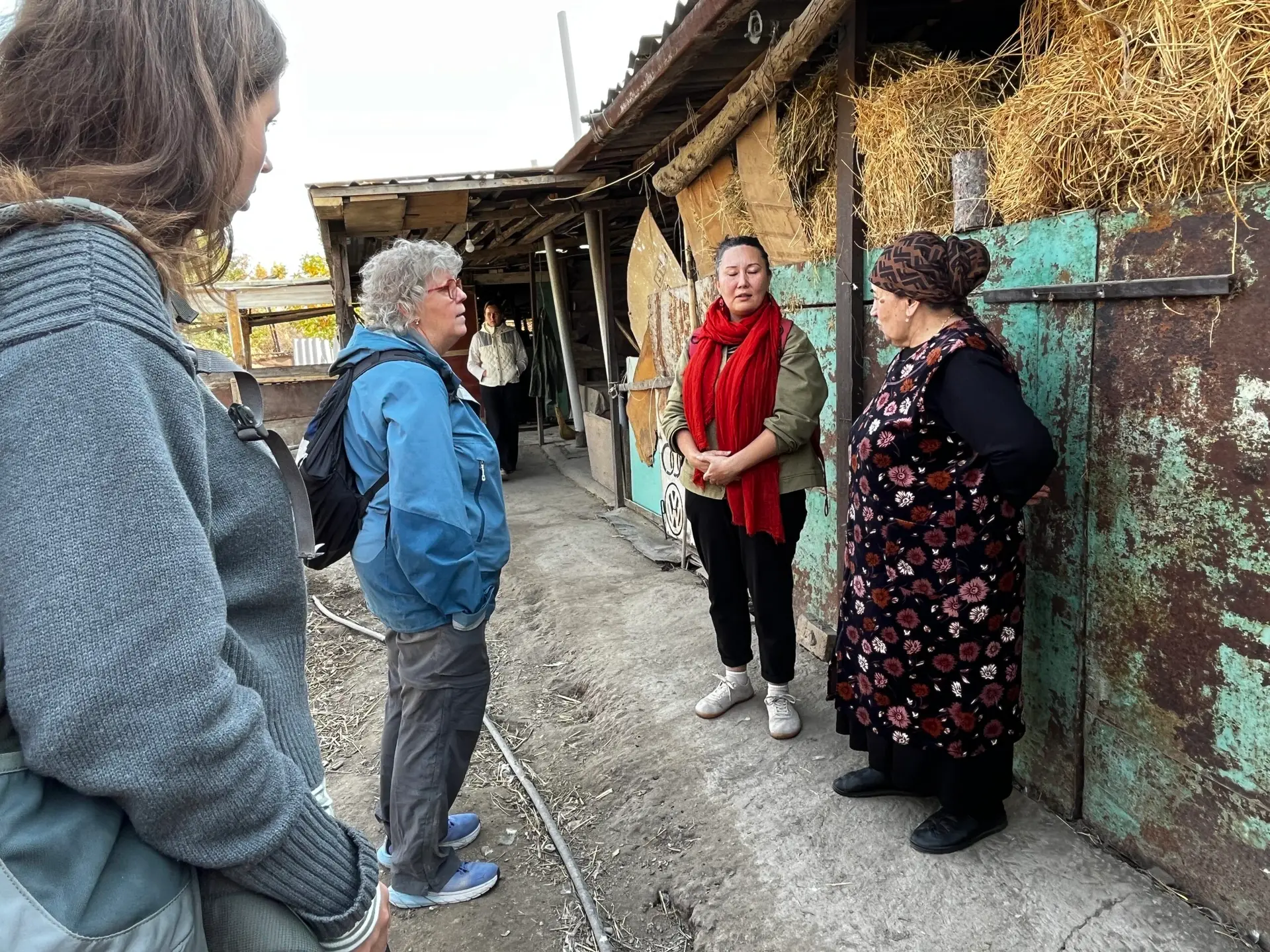
We arrive in the village of Bokonbaev on the southern shore of Ysyk-Köl. From here, we begin exploring the surrounding landscapes and village life, meeting local people and learning about their daily life, traditions, food, and worldview.

The rest of the day is spent enjoying the calm rhythm of village life.
Overnight in a guesthouse near Bokonbaev
Driving distance: 175 km (approx. 3 hours)

Day 5 - Village Life & Eagle Hunting Tradition

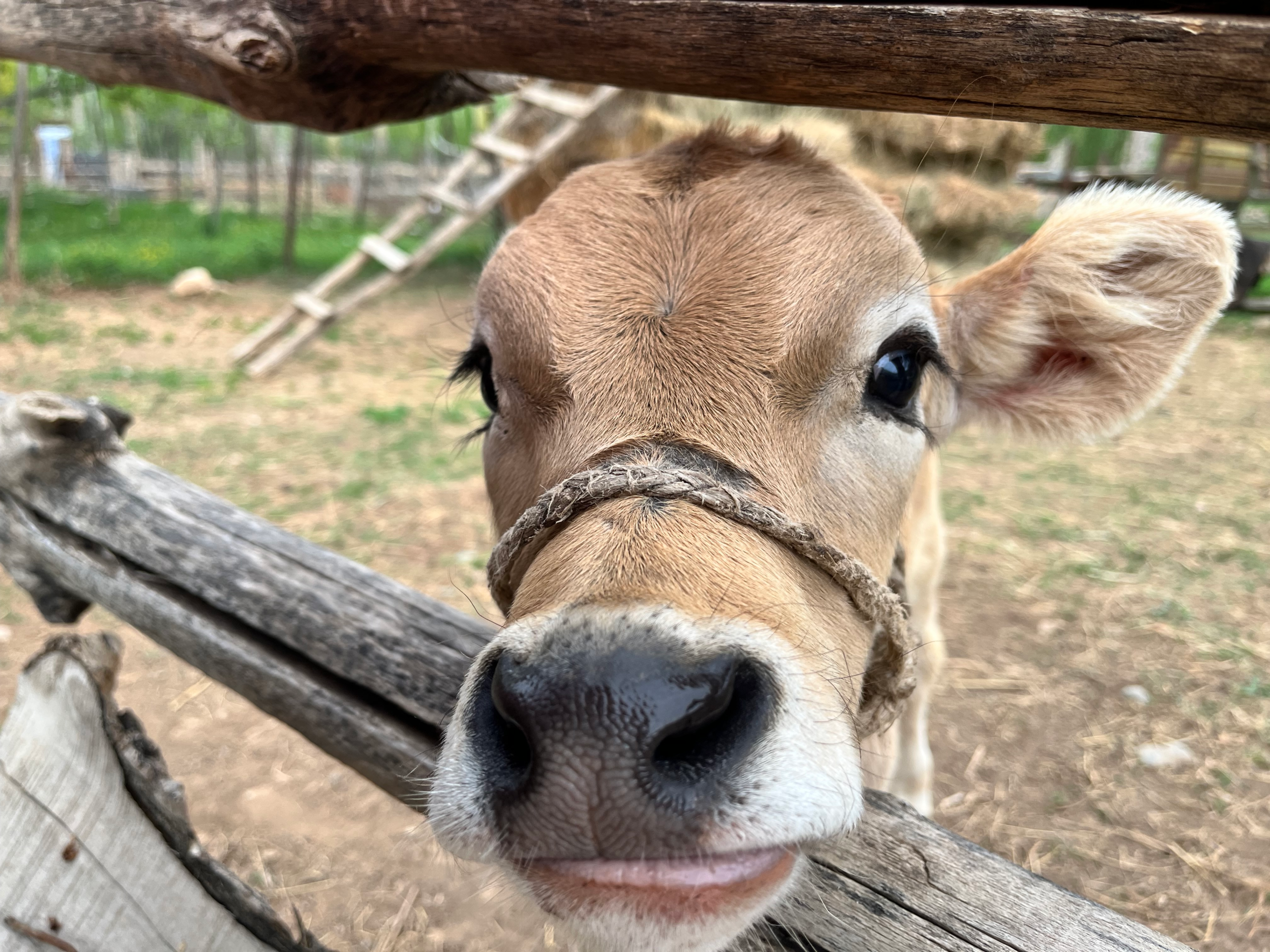
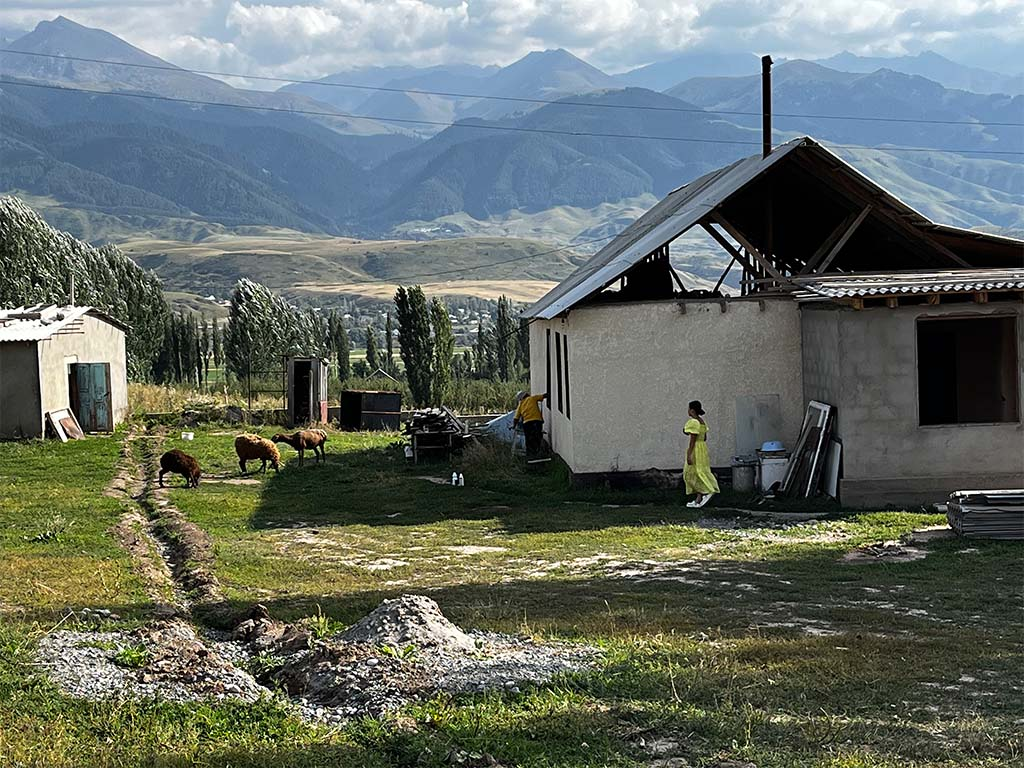
We visit nearby villages and spend the day with a local family, learning about nomadic life, livestock care, and seasonal routines. Together, we prepare traditional Kyrgyz snacks and gain insight into everyday village life - simple, resilient, and deeply connected to nature.

We also meet a local eagle hunter and are introduced to the ancient nomadic art of eagle hunting, passed down through generations. Through the hunter’s story and the bond with his eagle, we learn how nomads observed nature closely and developed deep ecological knowledge based on respect, balance, and cooperation with the wild.

Watching the quiet interaction between hunter and eagle offers insight into patience, trust, and partnership with nature. Sharing a meal together gently concludes another day of cultural immersion.
Overnight in a guesthouse near Bokonbaev

Driving distance: 70 km (approx. 1,5 hour)

Day 6 - Skazka Canyon & Yurt Stay

We journey along the southern shore of Ysyk-Köl to explore Tamga petroglyphs, traces of Buddhist presence in medieval times. We also visit a former military sanatorium built by Japanese prisoners of war during WWII—a powerful story of human resilience and kindness even in times of conflict.

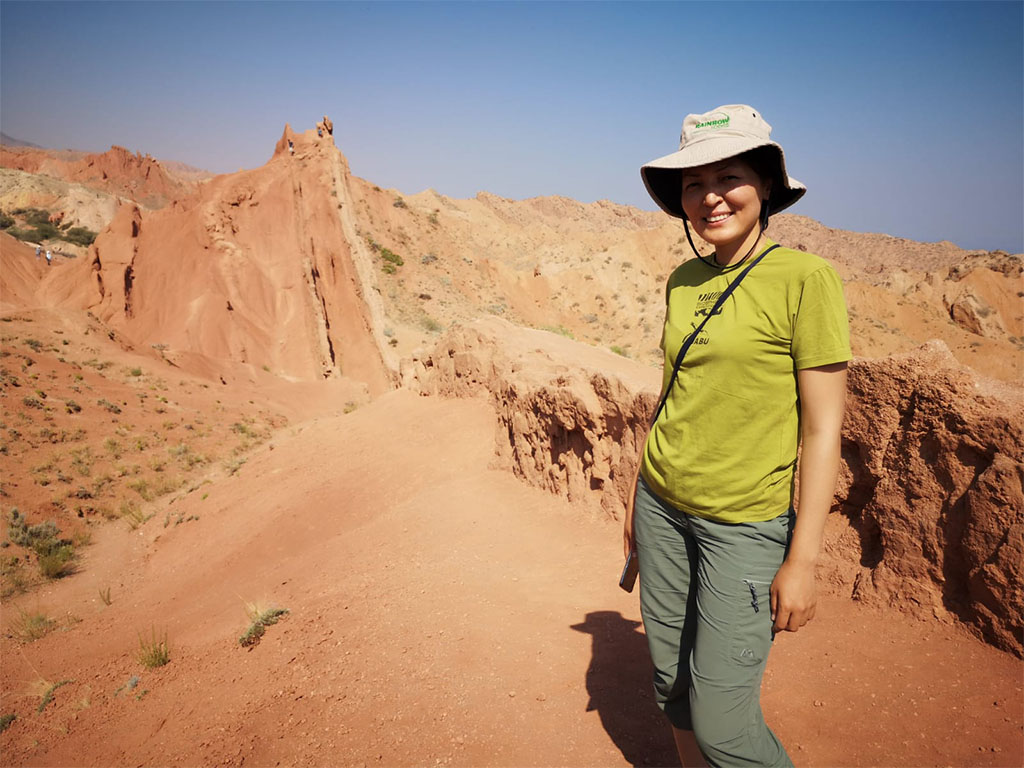
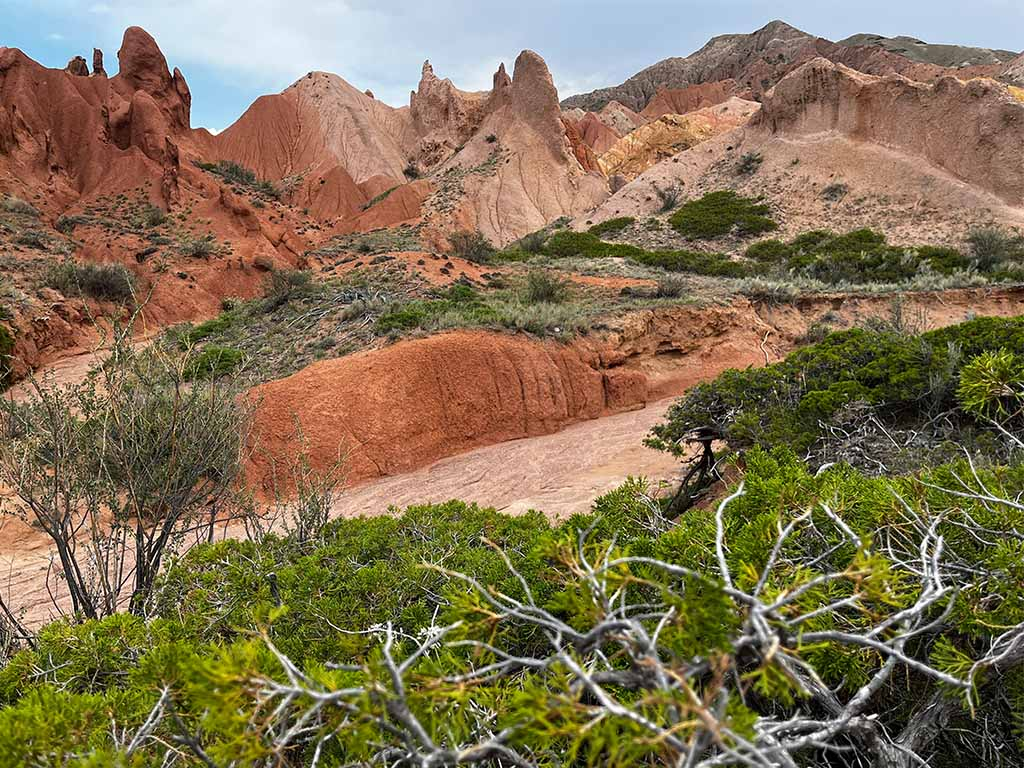
We continue to Skazka (Fairy Tale) Canyon, where wind and water have sculpted red sandstone into surreal formations. A gentle walk through the canyon reveals panoramic views of the lake and landscapes shaped slowly over centuries.

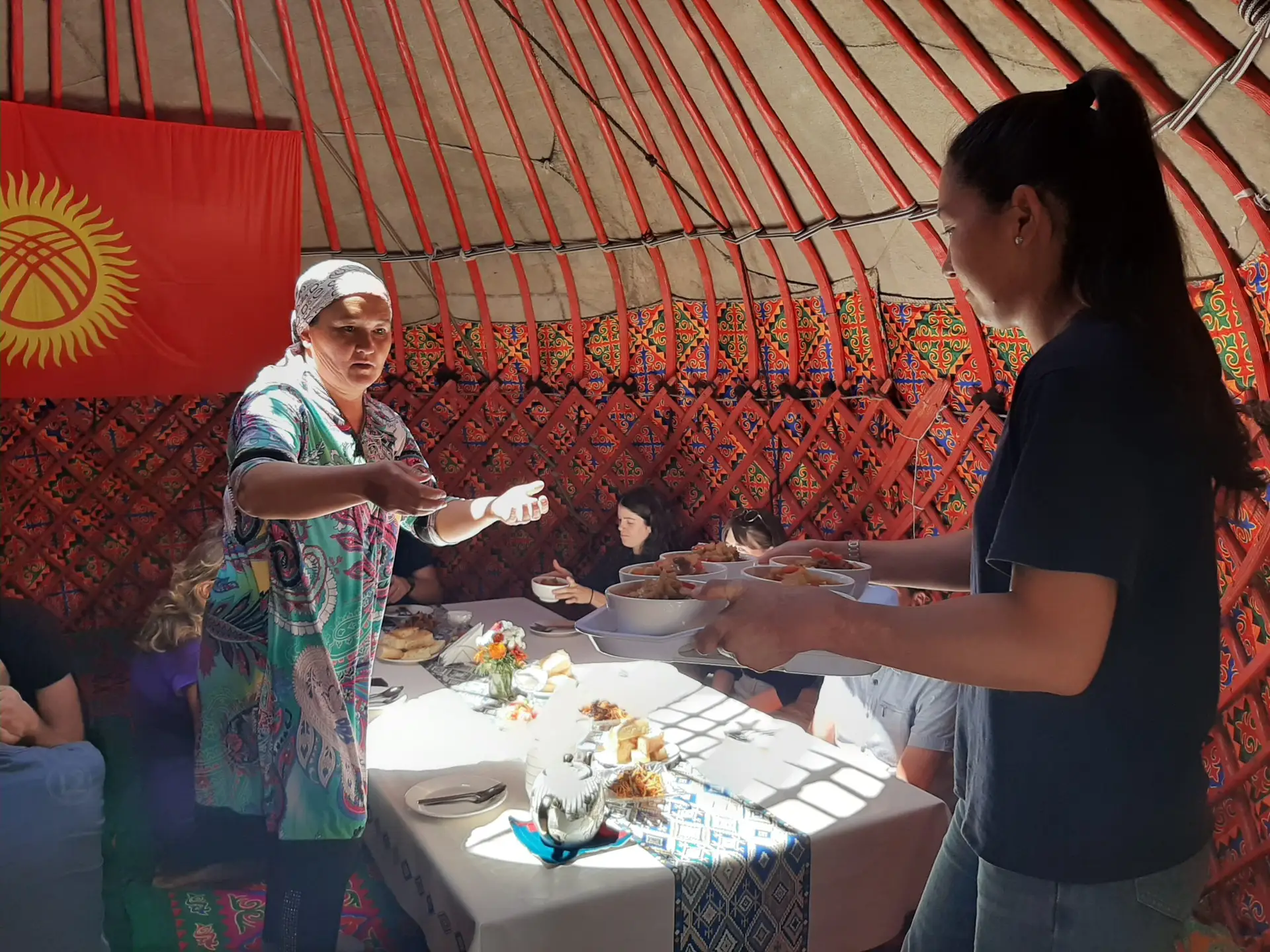
Later, we spend peaceful time by the lake and enjoy a swim if the weather allows. In the evening, we settle into a yurt camp surrounded by silence and open space. Over a hearty Kyrgyz dinner, we reflect on the day’s experiences.
Overnight in a yurt camp
Driving distance: 110 km (approx. 2 hours round trip)

Day 7 - Sacred Sites, Spirituality & Silence

Today is dedicated to exploring local shrines and sacred landscapes. We walk through the area and learn about the spiritual world of nomadism—its relationship with nature, sacred land, and the lake.

We explore belief systems where ancient Tengri cosmology and Islamic traditions coexist and blend. The day invites inward reflection, gratitude, and reconnection with nature.

In the evening, we visit extended family members of our hosts and cook a local dish together, sharing stories and laughter. The night unfolds beneath a vast, star-filled sky.
Overnight in a yurt camp

Day 8 - Kyzyl-Tuu Village & Felt Traditions

We travel to Kyzyl-Tuu village to meet a family of yurt makers. Here we learn about the yurt as a sustainable, portable nomadic home made from willow wood, felt, reed, and natural materials - designed to be dismantled, transported, and reassembled with the seasons. Men and women traditionally create different parts of the yurt, weaving their knowledge together.

Afterward, we leave Ysyk-Köl province and enter Naryn province, the central and more mountainous part of the country. We drive to Kochkor, a lively cultural town known for traditional crafts.

In Kochkor, we visit a women’s artisan cooperative specializing in felt carpets (shyrdaks), textiles, and traditional designs. It includes an introduction to felt-making, one of the most important nomadic crafts that ensured survival during harsh winters. We try felt-making techniques and learn the symbolic meanings of Kyrgyz ornament patterns.

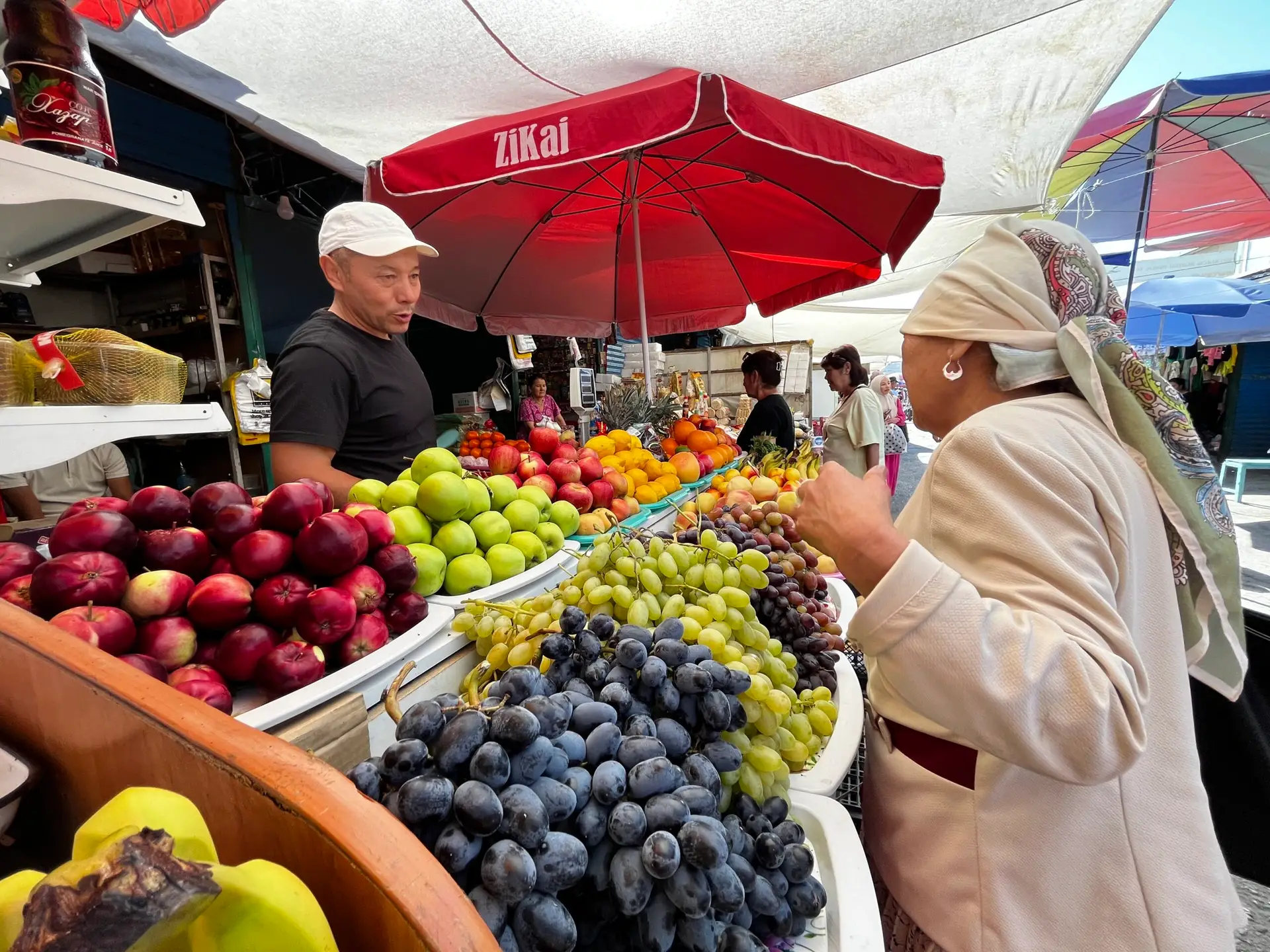
We stroll through the local bazaar, tasting dairy products such as kymyz (fermented mare’s milk) and local snacks while chatting with vendors.
Overnight in a guesthouse in Kochkor
Driving distance: 130 km (approx. 2.5 hours)

Day 9 - Into the Central Tien Shan: High-Altitude Nomadic Lands

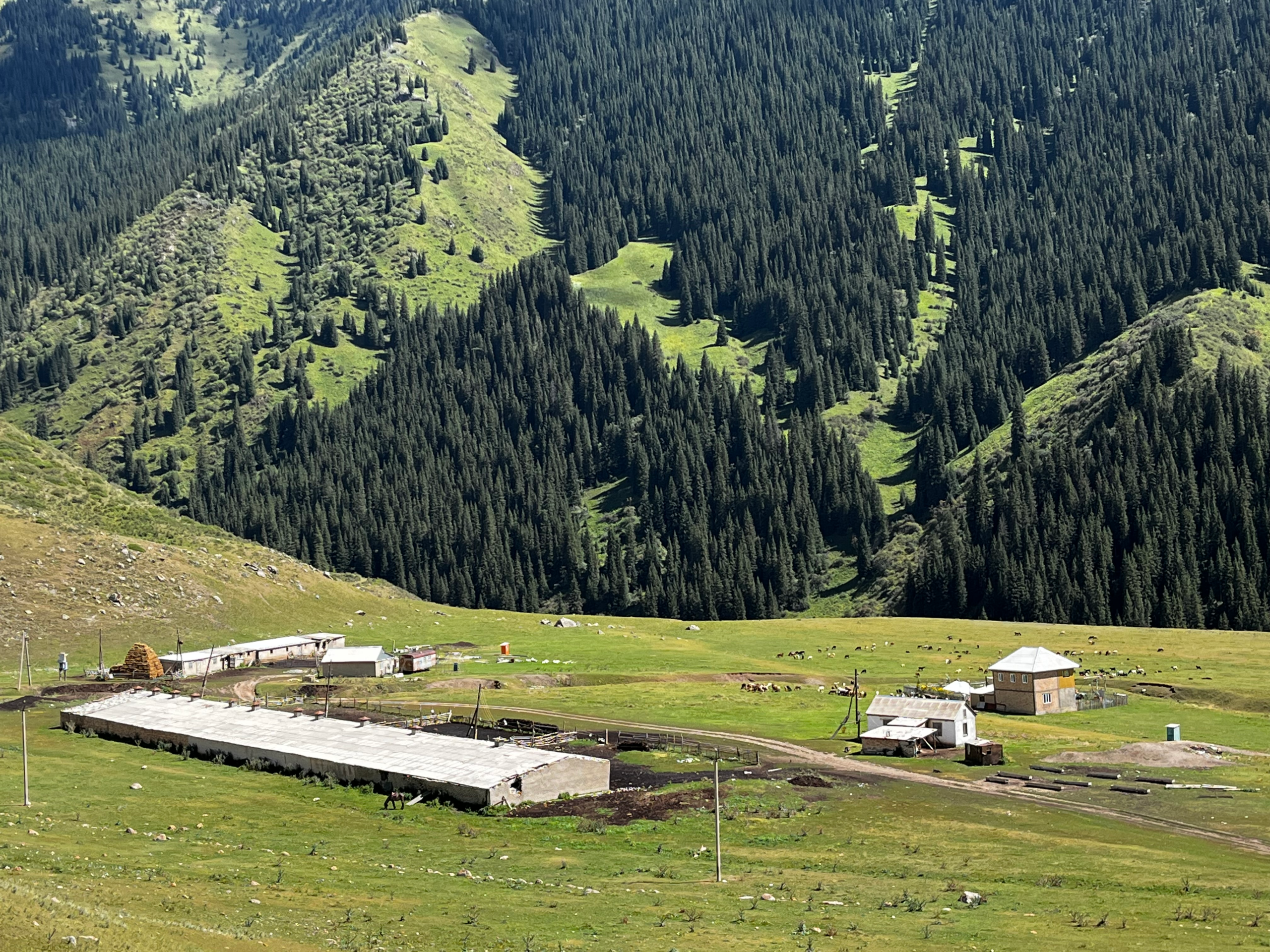
After breakfast, we begin a scenic drive into the central Tien Shan mountains, moving toward higher altitude, colder climate, and more remote landscapes. Wide pasturelands, dramatic mountain scenery, and large herds of livestock define this deeply nomadic region.

We stop in Naryn town for lunch and short walks, then continue toward Tash-Rabat, located at approximately 3,500 meters above sea level. Along the way, steppe landscapes gradually give way to winding valleys, alpine plateaus, and grazing yak herds.

Arriving in the late afternoon, the soft mountain light offers a perfect moment for reflection and photography. We stay in a yurt camp nestled in quiet alpine meadows. Dinner is simple, warm, and grounding.
Overnight in a yurt near the historic Silk Road caravanserai
Driving distance: 235 km (approx. 4.5 hours)

Day 10 - Tash-Rabat & Silk Road History

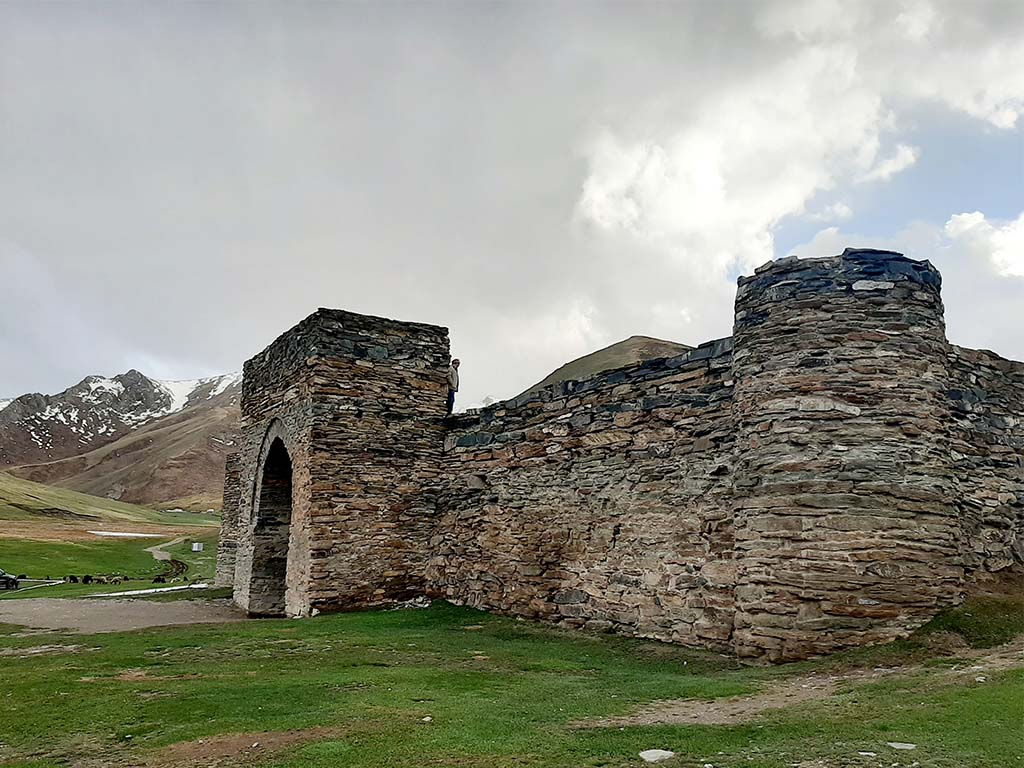
After sunrise tea, we walk to Tash-Rabat, one of Central Asia’s best-preserved Silk Road caravanserais. This stone structure once sheltered traders crossing desolate mountain passes between China and Central Asia. Exploring its arched chambers and thick walls, we imagine the footsteps of merchants, pilgrims, and shepherds who rested here centuries ago.

We meet local shepherds or yak herders and learn how they adapt to harsh alpine conditions. Their knowledge of climate, terrain, and animals represents living nomadic wisdom passed down through generations.

We return to camp for dinner and conversation. At this altitude, the night sky feels close and immense, offering space for silence, gratitude, and reflection.
Overnight in a yurt near Tash-Rabat

Day 11 - Naryn Town & Highlands Connection

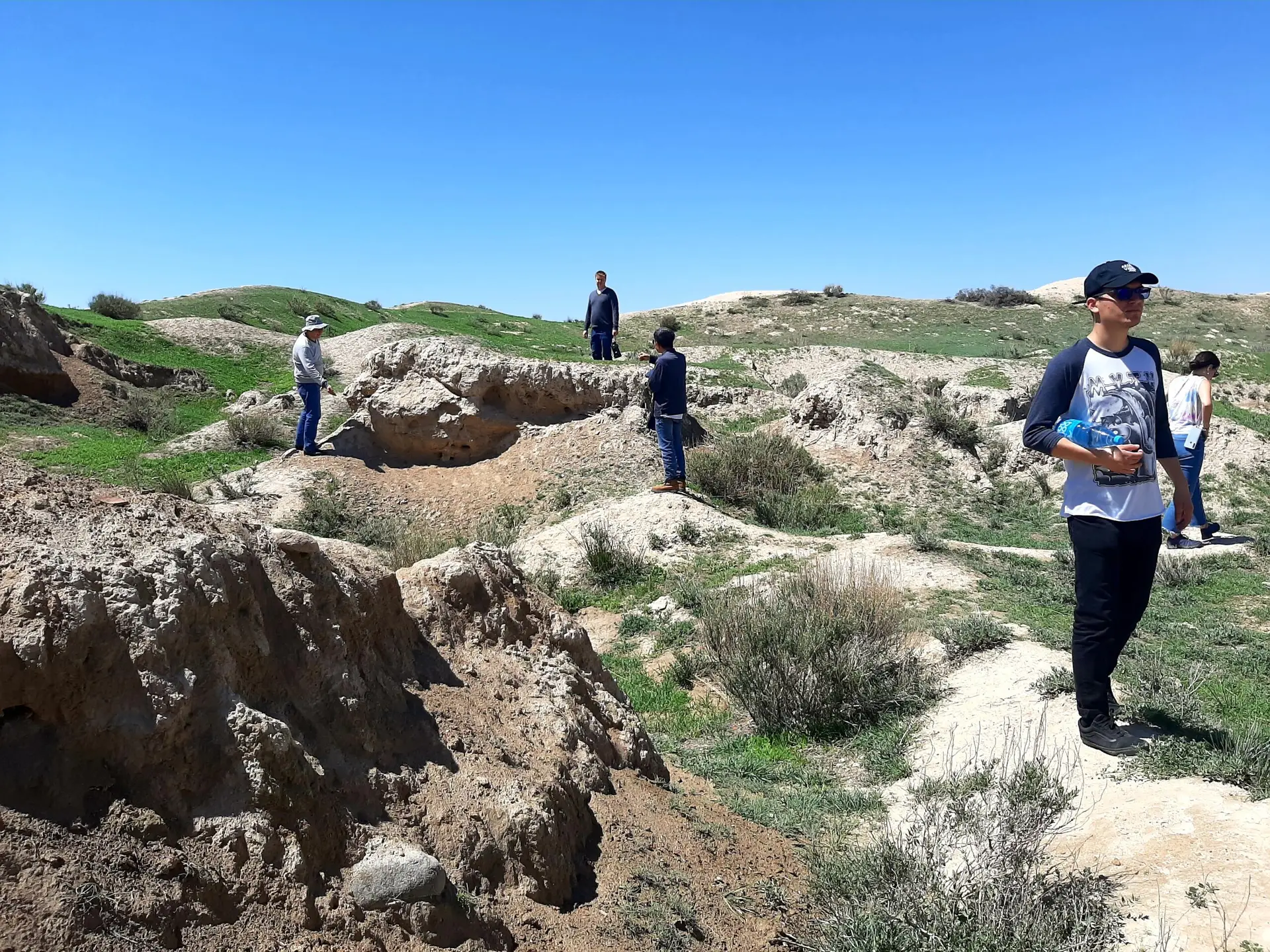
We enjoy dramatic mountain scenery as we drive from Tash-Rabat down toward Naryn town. Along the way, we explore the ruins of Koshoi-Korgon, a medieval Silk Road settlement with a deep history and archeology. Walking through the site invites reflection on ancient urban life and the geography that shaped trade routes.

In Naryn, we take a walk to the Naryn River, one of Kyrgyzstan’s most important waterways for hydropower and local livelihoods.

We taste regional dishes such as lagman, manty, and beshbarmak, shared in a communal style. The evening is relaxed, offering time to reflect on the blend of town life and high-mountain culture.
Overnight in Naryn
Driving distance: 120 km (approx. 3 hours)

Day 12 - Return to Bishkek & Reflection

We depart early for Bishkek via the scenic mountain landscapes and Orto-Tokoi Reservoir, stopping for photos and quiet reflection. The rich and diverse landscape forms a symbolic closing to the journey.

Before reaching Bishkek, we stop in Tokmok town to explore Dungan culture, a Muslim minority community with roots in China. We discover their cuisine, and distinct cultural traditions.

Arrival in Bishkek marks the end of the journey. A farewell dinner brings everyone together to celebrate the connections formed with the land, hosts, craftspeople, and fellow travelers.
Driving distance: 320 km (approx. 5 hours)

Frequently Asked Questions

Do you have reviews?

Yes. You can visit our Our Reviews page to read feedback from travelers who have joined our tours and experiences in Kyrgyzstan.

These multi-day cultural journeys are among the first tours we are offering through our new website, so you will not yet find reviews specifically for these itineraries. However, Bishkek Walks is not a new company.

Before launching these tours online, we primarily worked through private tours, custom itineraries, and partnerships with international organizations, educational programs, and overseas travel companies that entrusted us with their visitors to Kyrgyzstan.

You are also welcome to visit our About Us page to learn more about how and why Bishkek Walks was created.

We have deliberately chosen to prioritize quality over quantity. Rather than operating large numbers of tours, we focus on creating thoughtful, well-researched experiences that allow travelers to engage more deeply with Kyrgyzstan's history, culture, architecture, and everyday life.

The guides, values, and approach that travelers describe in our reviews are the same foundation on which these multi-day journeys were built.

If you have any questions before booking, we are always happy to answer them by email or arrange a call.

Do I need visa?

Many travelers can enter Kyrgyzstan visa-free for up to 30-60 days, depending on nationality (for in. Austria, Belgium, Canada, Germany, Netherlands, Switzerland, United Kingdom, United States) We recommend checking the current entry requirements before your trip, and we’re always happy to help clarify the process if needed.

How physically demanding is the tour?

This is a cultural and experience-based journey with a relaxed pace. The program includes walking tours in cities and villages, visits to cultural and historical sites, and horse riding experiences in natural settings. No trekking or technical hiking is involved, and activities are adapted to the group’s comfort level.

Who will be our guide?

Our tours are led by carefully selected local guides who combine professional knowledge with genuine passion for sharing Kyrgyzstan's culture, history and contemporary life.

You can learn more about our guides on our What to Expect on Tour page.

Why choose this tour instead of traveling independently?

This tour is designed for travelers who want more than a checklist of famous sights. It is for people who are genuinely curious about Kyrgyzstan - its history, architecture, culture, daily life, and the stories behind what they see.

Many travelers simply don't have the time to spend weeks researching routes, accommodations, local experiences, and historical context. We have done that work for you, carefully designing a journey that combines meaningful cultural experiences with comfortable travel.

It is also a good fit for those who find conventional tours too rushed. We believe that understanding a place takes time. Rather than moving quickly from one attraction to another, we focus on deeper exploration, thoughtful conversations, and authentic encounters that help you understand not only what Kyrgyzstan looks like today, but why it became the way it is.

What type of accommodation is included?

Accommodation includes a carefully selected mix of comfortable hotels, guesthouses, and locally owned family-run accommodations. We prioritize character, hospitality, cleanliness, and authentic local experiences. You can learn more about accommodation on our What to Expect on Tour page.

What kind of transportation will we use?

Transportation is provided in comfortable private vehicles appropriate for the group size. All transfers and transportation during the tour are included. You can learn more about transport on our What to Expect on Tour page.

Are airport transfers included?

Airport transfers can be added during the booking process for an additional supplement.

What meals are included?

We focus on introducing travelers to traditional Kyrgyz and Central Asian cuisine while accommodating dietary requirements whenever possible. You can learn more about meals on our What to Expect on Tour page.

Can you accommodate vegetarian, vegan, gluten-free, or other dietary requirements?

Yes. Please inform us of any dietary requirements when booking, and we will do our best to accommodate them.

Do I need any vaccinations?

No special vaccinations are required for entry into Kyrgyzstan. We recommend consulting your doctor or travel clinic regarding routine travel vaccinations.

Is Kyrgyzstan safe for travelers?

Yes. Kyrgyzstan is generally considered one of the safest destinations in Central Asia for international travelers. Most visitors feel comfortable exploring the country and can focus on enjoying their journey rather than worrying about safety.

Kyrgyz people are known for their hospitality, and travelers are often welcomed with genuine curiosity and kindness. If you need help, it is usually easy to find someone willing to assist you. In some places, especially outside the main tourist areas, locals may even ask to take a photo with you simply because they are excited to meet visitors from abroad.

In Bishkek and other popular destinations, you will meet travelers from all over the world, and tourism infrastructure continues to grow every year.

As in any country, basic precautions are recommended in crowded areas such as markets, busy streets, public transport, and major tourist sites. Occasional pickpocketing can occur, but it is not common. There is no need to be overly worried or constantly guard your belongings. We simply recommend keeping valuables securely stored, avoiding displaying large amounts of cash, and keeping an eye on your phone and personal items in busy places.

Overall, most visitors describe Kyrgyzstan as a welcoming, relaxed, and friendly country where they quickly feel comfortable traveling independently and interacting with local people.

What is the best time of year for this tour?

Each season offers a different experience, and the best time to visit depends largely on your preferences.

Summer (June-August) is the most popular time to travel. In Bishkek and other low-altitude areas, daytime temperatures can reach 30-35°C (86-95°F), and the afternoons may feel quite hot. However, most of the destinations included in this tour, such as Yssyk-Kül, Tash Rabat, and other mountain regions, are usually much more comfortable, with warm days and cool evenings.

Because of the high altitude, mountain weather can change quickly. Even in summer, nights in places like Tash Rabat can be cold, and rain is possible. We recommend bringing warm layers regardless of the season.

Spring and autumn are excellent choices for travelers who prefer cooler temperatures. During these seasons, daytime temperatures are often between 10-20°C (50-68°F), making sightseeing particularly pleasant. However, weather in the mountains can be unpredictable. Snowfall, strong rainstorms, and below-freezing temperatures are still possible at higher elevations, especially at night. Warm and waterproof clothing is essential.

No matter when you visit, we recommend packing layers, as you may experience everything from summer heat in the cities to near-winter conditions in the mountains during the same journey.

Will there be free time?

Yes - and this is something we care about deeply.

As travelers ourselves, we have often joined tours that felt rushed: strict schedules, quick explanations, a few hurried photos, and then immediately moving on to the next stop. That is not the kind of travel experience we want to create.

Our tours are designed at a slower pace. We take time to explore places, discuss their history and present-day life, ask questions, and have meaningful conversations. When a location deserves time for photography, reflection, or simply enjoying the atmosphere, we make space for it.

Most destinations in the itinerary include free time. You can use it however you like: relax with a coffee, wander through a neighborhood, visit a museum, photograph the surroundings, talk to local people, or simply sit and take in the experience.

We believe travel should not feel like a race. After all, for many of our guests, this may be the only opportunity to visit Kyrgyzstan. We want you to leave with real memories and meaningful experiences.

How much money should I bring?

The amount you spend will depend largely on your personal shopping habits and the types of souvenirs you would like to take home.

Small souvenirs such as magnets, postcards, cheap accessories, or local treats typically cost between €1–5. If you are interested in traditional handicrafts, prices can vary significantly. High-quality felt carpets (shyrdaks), handcrafted textiles, or traditional clothing can easily cost €300 or more.

Credit and debit cards are widely accepted in supermarkets, shopping centers, many cafés, restaurants, and branded stores in larger cities such as Bishkek. However, cash is still essential for local markets, small family-run businesses, craft workshops, roadside cafés, and many places outside major urban areas.

Many locals prefer digital payments through QR-code systems linked to Kyrgyz bank accounts. While these systems are very convenient for residents, they are usually not available to international visitors. As a result, some small businesses may not always have enough cash on hand to provide change for large banknotes.

For this reason, we recommend bringing Euros or US dollars and exchanging them for Kyrgyz som upon arrival. This is usually the most convenient and cost-effective option during your trip. Having a mix of cash and cards will give you the greatest flexibility throughout the journey.

Is Wi-Fi available during the tour?

Wi-Fi is available in most hotels and guesthouses. However, internet speeds may vary in rural and mountain regions. Internet and network connectivity will be unavailable in some mountainous areas. Your guide will warn you in advance of these locations, as you'll have time to send important messages and make calls.

Can solo travelers join?

Absolutely. Many of our guests travel solo. This tour is a great way to meet like-minded travelers while exploring Kyrgyzstan.

What happens if I need to cancel?

Our cancellation policy is outlined in the booking terms and conditions. We recommend reviewing it carefully before booking. Cancellation terms are among the most common concerns travelers have before committing to a tour.

From €2700

Book This Tour

Person Info

Adults
-
+
Children
-
+
Loader
Thank You

Booked Successfully

  • Tour extra

Select Quantity
-
+
Select Quantity
-
+
Select Quantity
-
+
Booking Summary

An 12-Day Slow, Sustainable and Authentic Cultural Journey

Partial payment of 400 on total

0 Adults
0 Children

Have a question in mind

Looking for more info? Send a question to the tour agent to find out more.

From €2700

Book This Tour

Person Info

Adults
-
+
Children
-
+
Loader
Thank You

Booked Successfully

  • Tour extra

Select Quantity
-
+
Select Quantity
-
+
Select Quantity
-
+
Booking Summary

An 12-Day Slow, Sustainable and Authentic Cultural Journey

Partial payment of 400 on total

0 Adults
0 Children
Scroll to Top

Your Question