Where Mountains Teach Us to Slow Down and Nomads Lead Us Back to the Soul

8 Day Authentic Journey Through Kyrgyzstan’s Living Traditions
This 8-day authentic journey through Kyrgyzstan invites you to travel not as a spectator, but as a welcomed guest. Moving at a gentle pace from Bishkek’s layered history to Silk Road ruins, mountain valleys, and the sacred shores of Ysyk-Köl, you share meals in village homes, learn ancestral crafts, meet eagle hunters and yurt makers, and sleep beneath vast, star-filled skies. Guided by nomadic values of respect for nature, resilience, and heartfelt hospitality, each day creates space to connect — with landscapes, with communities, and with yourself.
In Kyrgyzstan, the mountains shape both the land and the people. Here, time flows differently, hospitality outweighs hardship, and ancient traditions remain alive in everyday life. This is sustainable, community-based travel shaped by presence and care — a journey where you slow down, listen deeply, and experience the country from within.
Duration:
7 nights / 8 days (Balanced pacing with no rushed days, allowing time for rest, cultural immersion, and slow exploration)
You are in the right place if…
- You prefer meaningful travel over ticking off sights
- You enjoy nature, culture, and conversations with locals
- You are curious about nomadic life, not staged folklore
- You value small groups and flexibility
- You want to travel slowly and responsibly
Itinerary
We meet in Bishkek, the capital of Kyrgyzstan—a city where nomadic philosophy, Soviet modernism, and contemporary life coexist. Framed by the snow-capped Tien Shan mountains, Bishkek is green, spacious, and quietly dynamic.
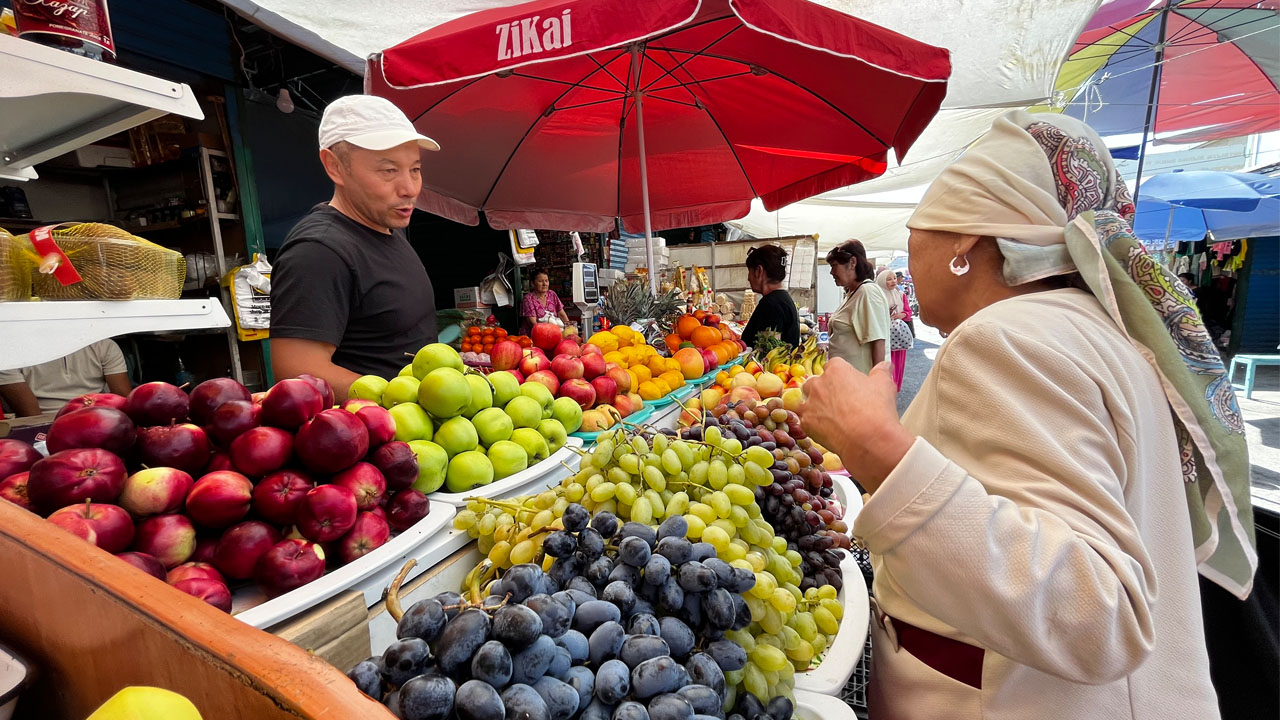
Our walking city tour introduces you to the historic Golden Quarter, including Ala-Too Square, the Manas Monument, Oak Park, the Opera and Ballet Theatre, the White House, and the Old Square. Along the way, your guide shares stories of Kyrgyz history, Soviet urban planning, independence, and everyday life today. We pause in shaded parks, observe local rhythms, and explore how ancient nomadic wisdom, Islamic traditions, and modern lifestyles blend seamlessly. We stroll through the local bazaar, tasting dairy products such as kurut and local snacks while chatting with vendors.
The day is complemented by local Central Asian cuisine—flavorful, seasonal, and rooted in hospitality.
Overnight in a Bishkek hotel
Leaving Bishkek, we travel along a route once used by Silk Road caravans.
Today we delve into the history of the ancient Silk Road cities of Nevaket and Balasagun, once vibrant centers of trade, culture, and spiritual life. Walking among the ruins of temples, fortresses, and caravanserais, we uncover hidden layers of history and imagine the lives of medieval merchants, craftsmen, and travelers.
A special highlight is our visit with a local family from one of Kyrgyzstan’s minority communities, the Meskhetian (Ahiska) Turks. In 1944, the entire Meskhetian Turk population was forcibly deported from southern Georgia under Stalin’s rule. Today, small communities live across Central Asia, contributing to Kyrgyzstan’s cultural diversity. Over a shared meal, we learn about their history, resilience, and traditions.
Our next stop is the Burana Tower, a 10th–11th century minaret and the last standing structure of the ancient city of Balasagun. Here we explore medieval Islamic architecture and the tower’s role as a call to prayer and a navigation landmark for travelers.
We stop along the road to enjoy freshly baked kattama bread and traditional milk tea. Running beside us is a WWII-era railway built by prisoners of war, a silent witness to another layer of history. By evening, we arrive in Chong-Kemin National Park and settle into a cozy, family-run guesthouse, embracing the stillness of rural life.
Overnight in a local homestay in Chong-Kemin
Driving distance: 152 km (approx. 2.5 hours)
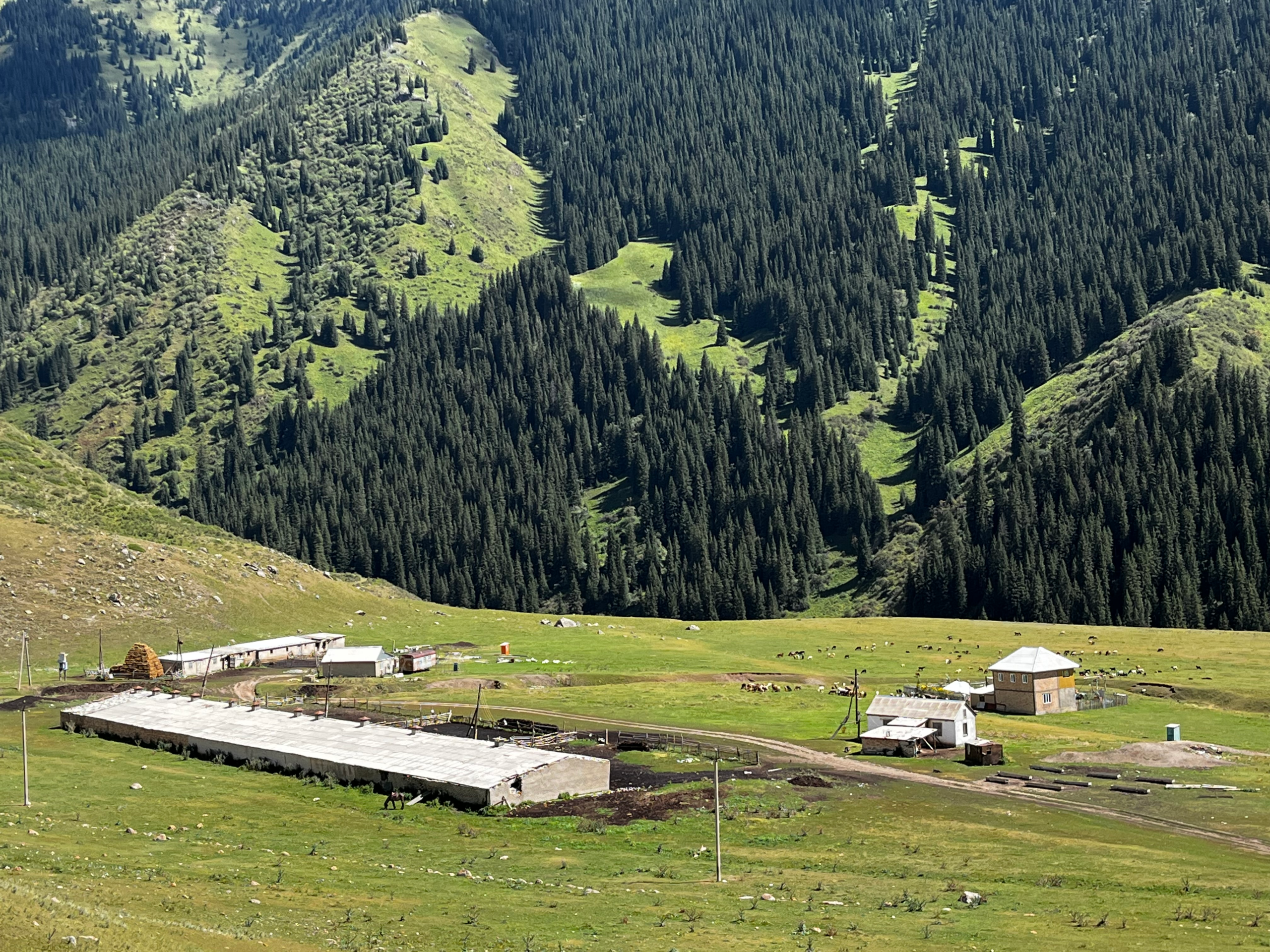
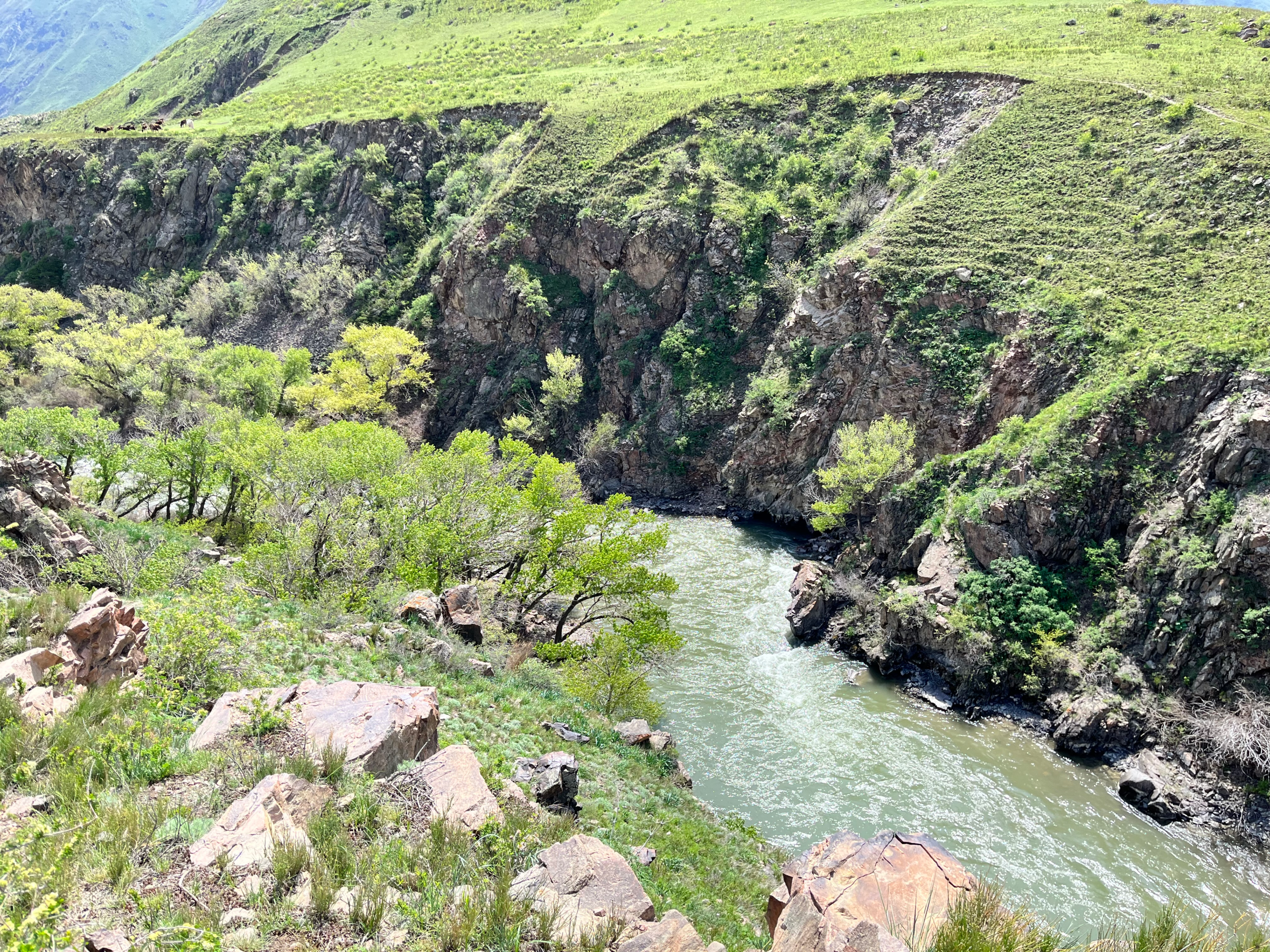
The day begins with fresh mountain air. Chong-Kemin National Park is a protected valley known for its rich biodiversity and strong community-led conservation efforts. Forests, alpine meadows, rivers, glaciers, and wildlife coexist here, including ibex, deer, and rare mountain species.
At a relaxed pace, we take a gentle walk through the valley, following farmlands, rivers, pastures, and forest edges. Moving slowly allows space to observe, reflect, and connect with the land. We enjoy a picnic surrounded by nature.
In the late afternoon, we join our host in her home kitchen to learn how to prepare a traditional Kyrgyz dish. Cooking together becomes a meaningful cultural exchange filled with stories of family life, seasonal traditions, and food as an expression of care.
The evening is quiet and unstructured—ideal for rest, journaling, or simply sitting beneath a sky bright with stars.
Overnight in a local homestay in Chong-Kemin
After a slow morning and relaxed breakfast, we continue through the dramatic Boom Gorge, a narrow passage once considered one of the most dangerous Silk Road crossings. Along the way, we learn about events that deeply shaped Kyrgyzstan’s history, including the 1916 Central Asian uprising.
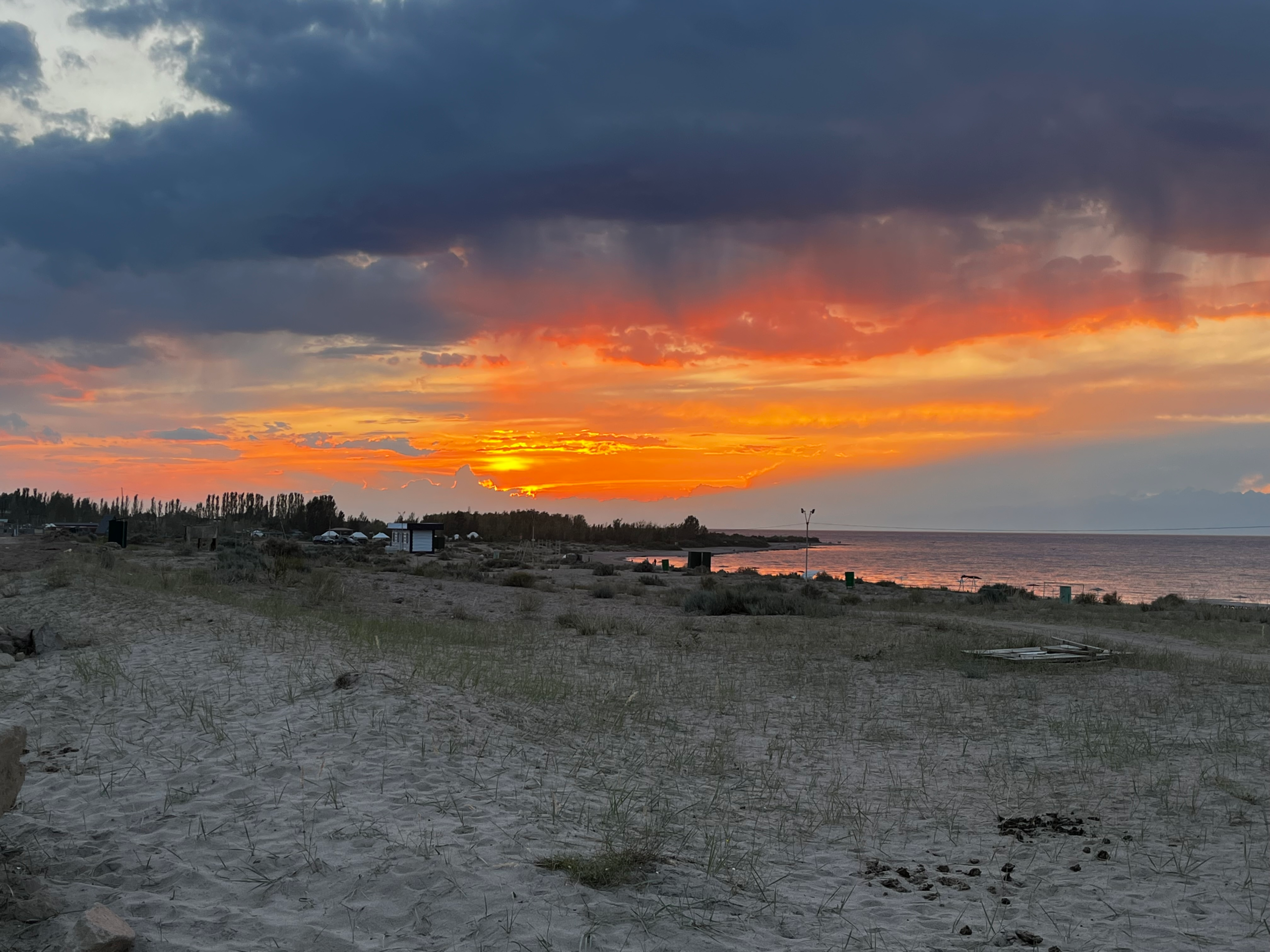
As the landscape changes, we reach Ysyk-Köl Lake, one of the world’s largest alpine lakes and a UNESCO Biosphere Reserve. Situated at 1,600 meters above sea level, the lake has its own microclimate and a unique ecosystem, surrounded by mountain ranges.
We arrive in the village of Bokonbaev on the southern shore of Ysyk-Köl. From here, we will be exploring the surrounding landscapes and village life, meeting local people and learning about their daily life, traditions, food, and worldview.
In Bokonbaev we delve into the local art of felt-making, one of the most important nomadic crafts that ensured survival during harsh winters. We try felt-making techniques and learn the symbolic meanings of Kyrgyz ornament patterns.
The rest of the day is spent enjoying the calm rhythm of village life.
Overnight in a guesthouse near Bokonbaev
Driving distance: 175 km (approx. 3 hours)
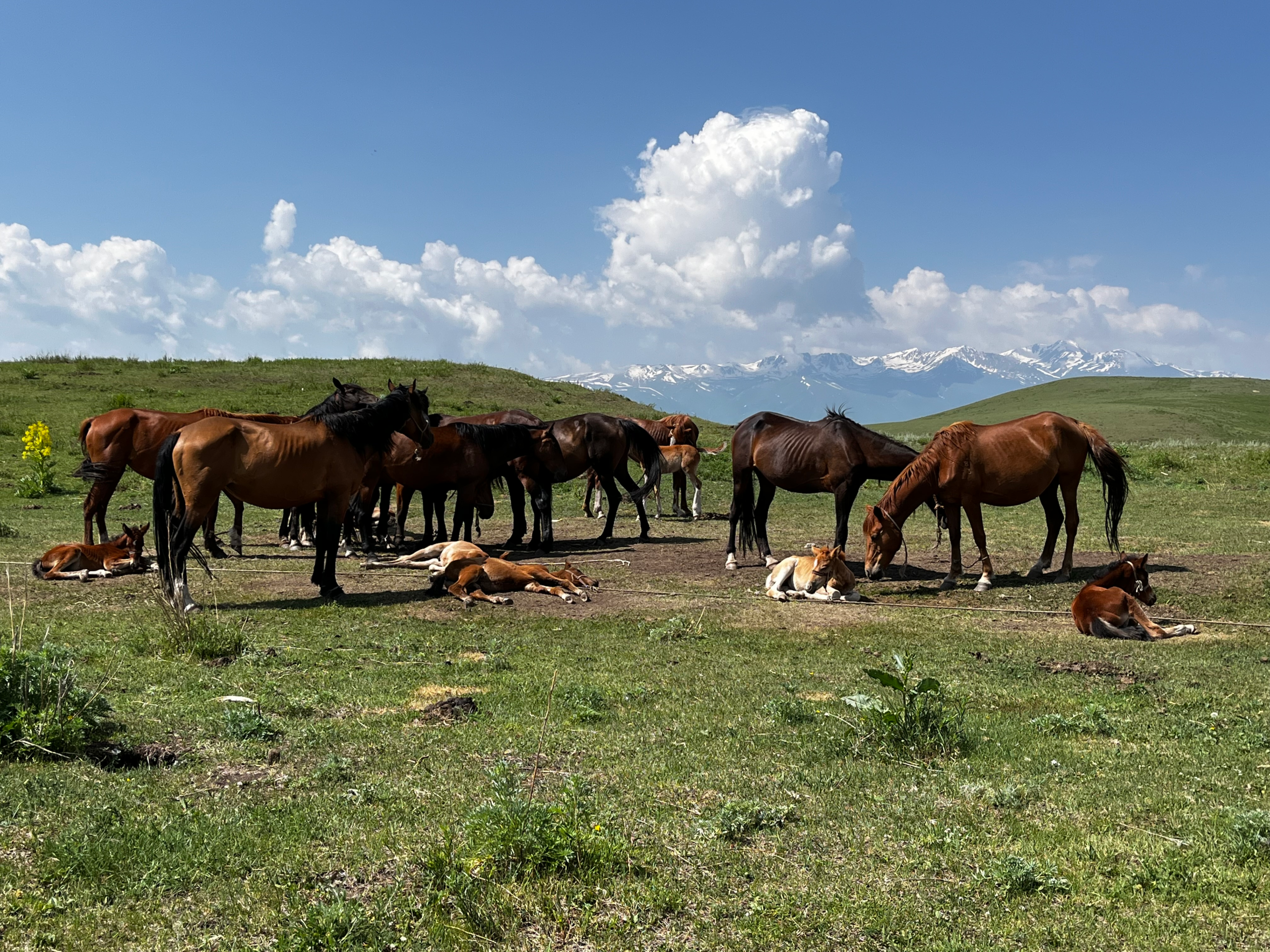
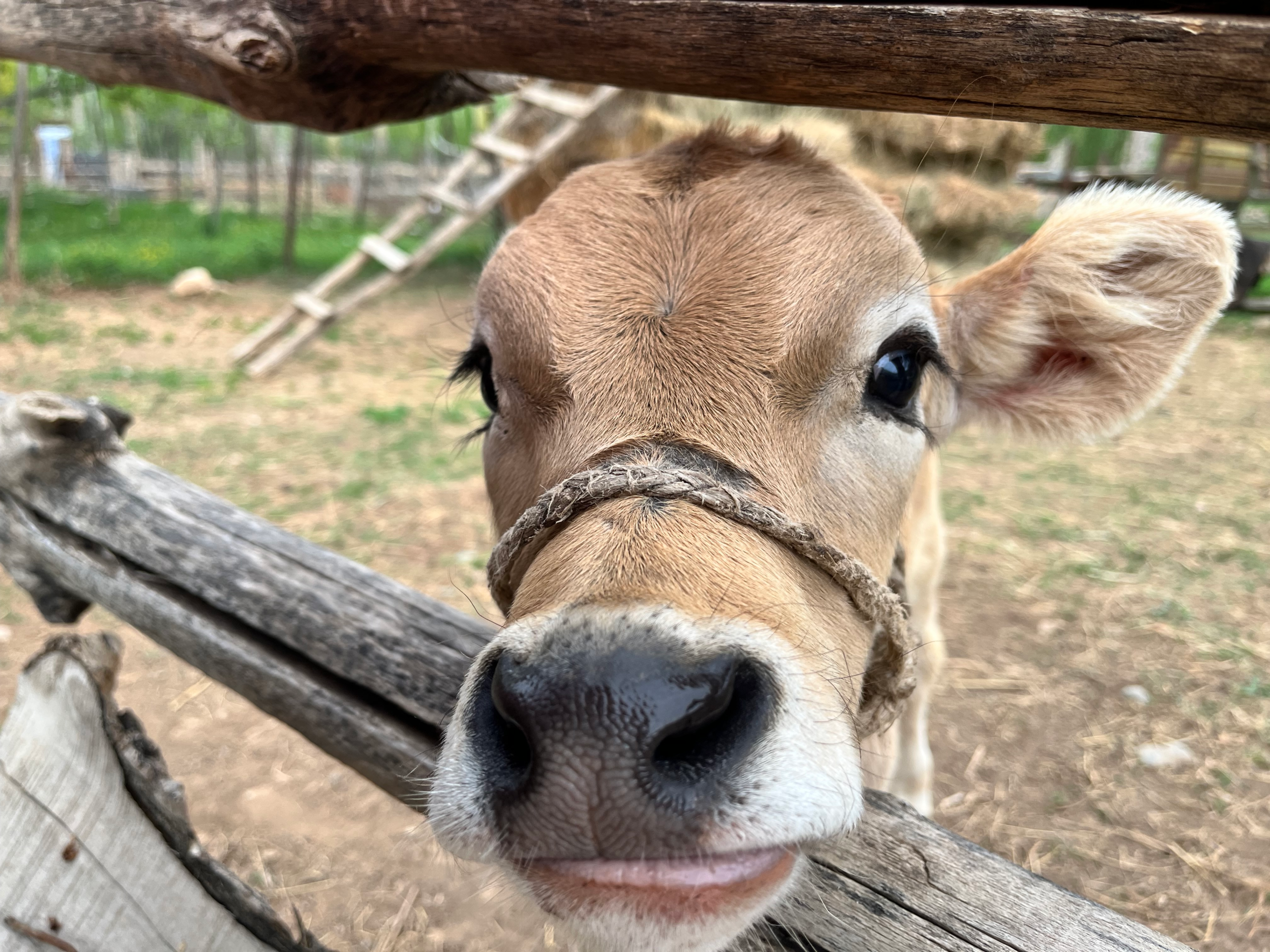
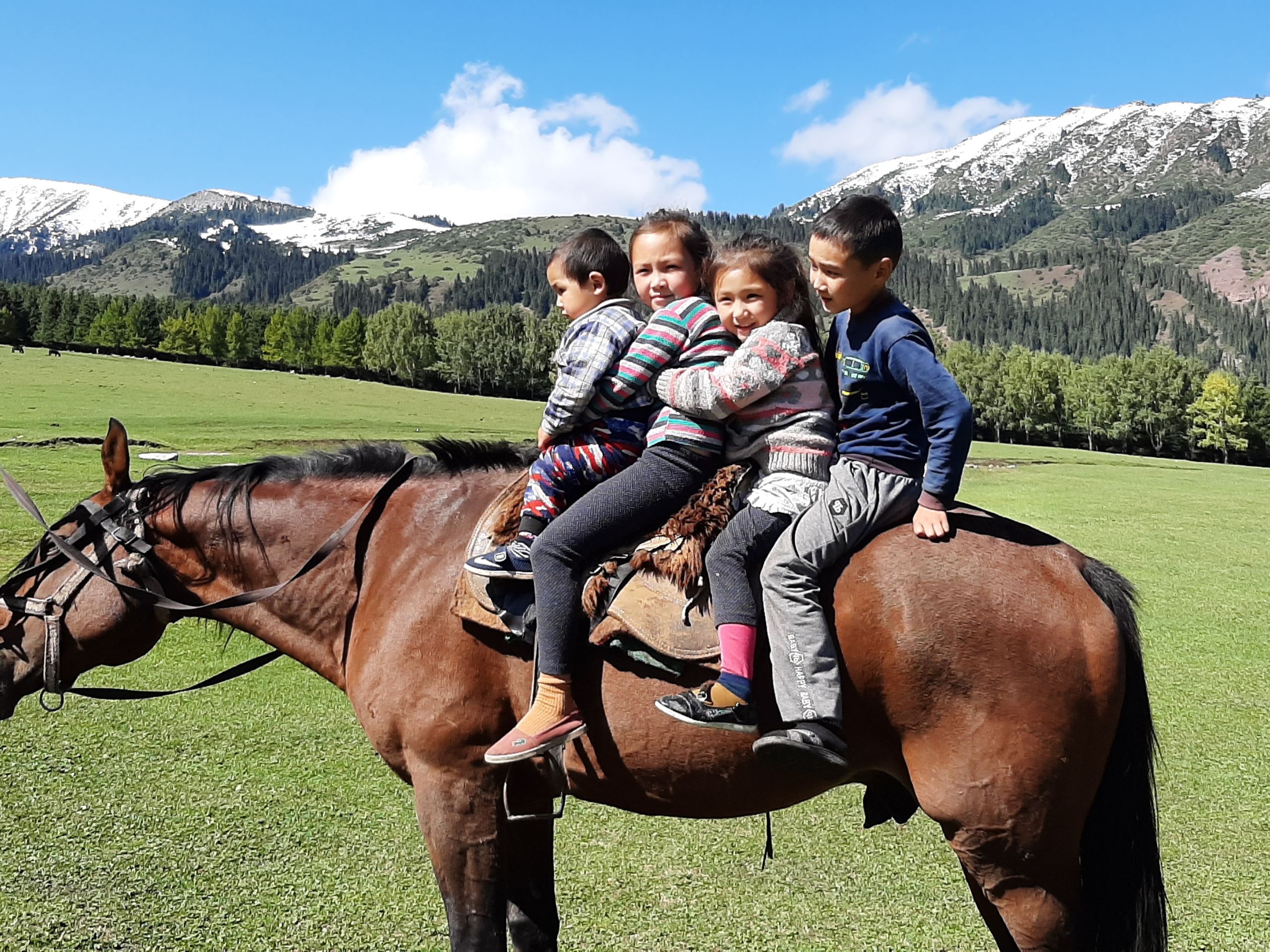
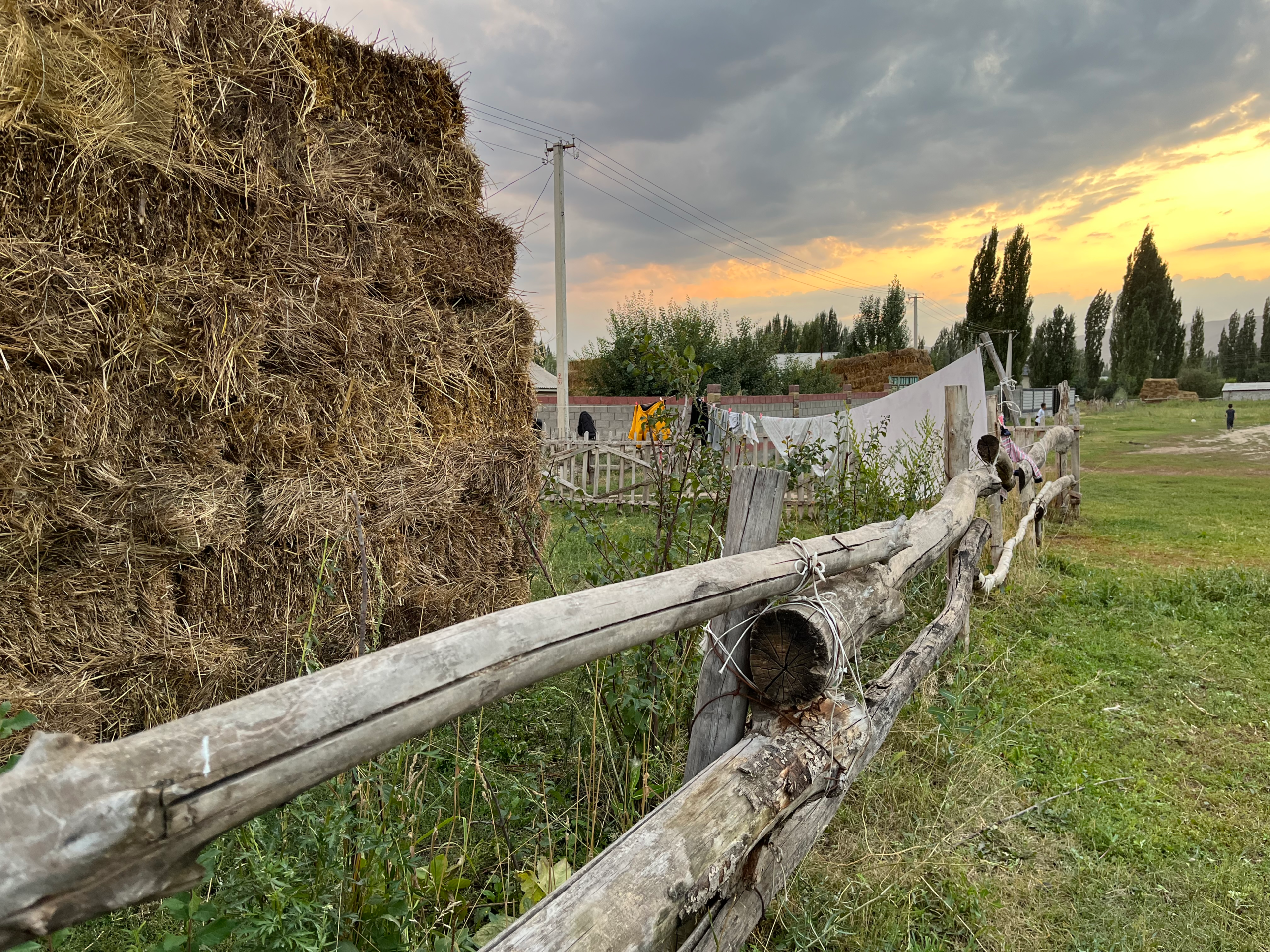
We visit nearby villages and spend the day with a local family, learning about nomadic life, livestock care, and seasonal routines. Together, we prepare traditional Kyrgyz snacks and gain insight into everyday village life – simple, resilient, and deeply connected to nature.
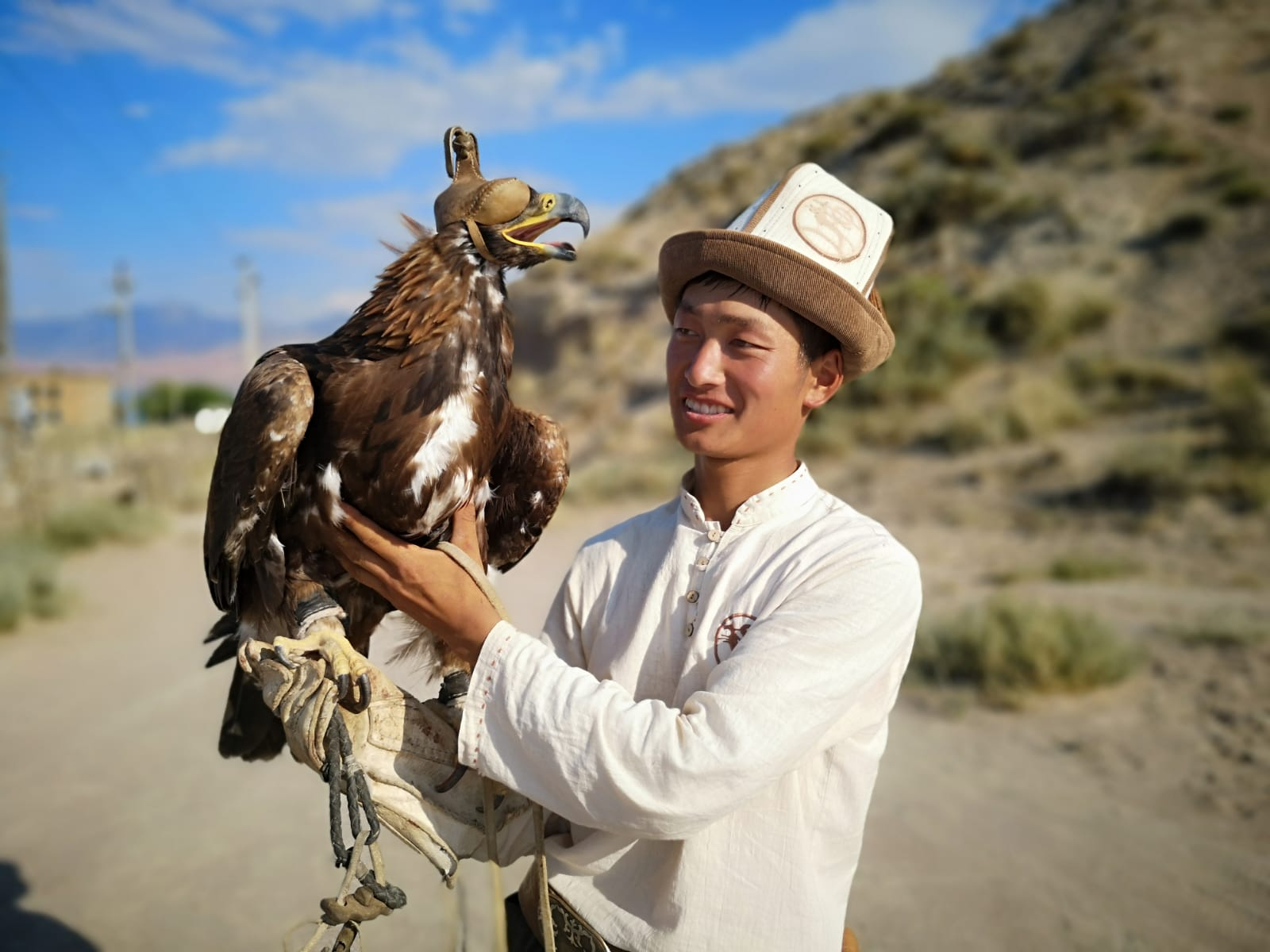
We also meet a local eagle hunter and are introduced to the ancient nomadic art of eagle hunting, passed down through generations. Through the hunter’s story and the bond with his eagle, we learn how nomads observed nature closely and developed deep ecological knowledge based on respect, balance, and cooperation with the wild.
Watching the quiet interaction between hunter and eagle offers insight into patience, trust, and partnership with nature. Sharing a meal together gently concludes another day of cultural immersion.
Overnight in a guesthouse near Bokonbaev
Driving distance: 70 km (approx. 1,5 hour)
We journey along the southern shore of Ysyk-Köl to explore Tamga petroglyphs, traces of Buddhist presence in medieval times. We also visit a former military sanatorium built by Japanese prisoners of war during WWII—a powerful story of human resilience and kindness even in times of conflict.
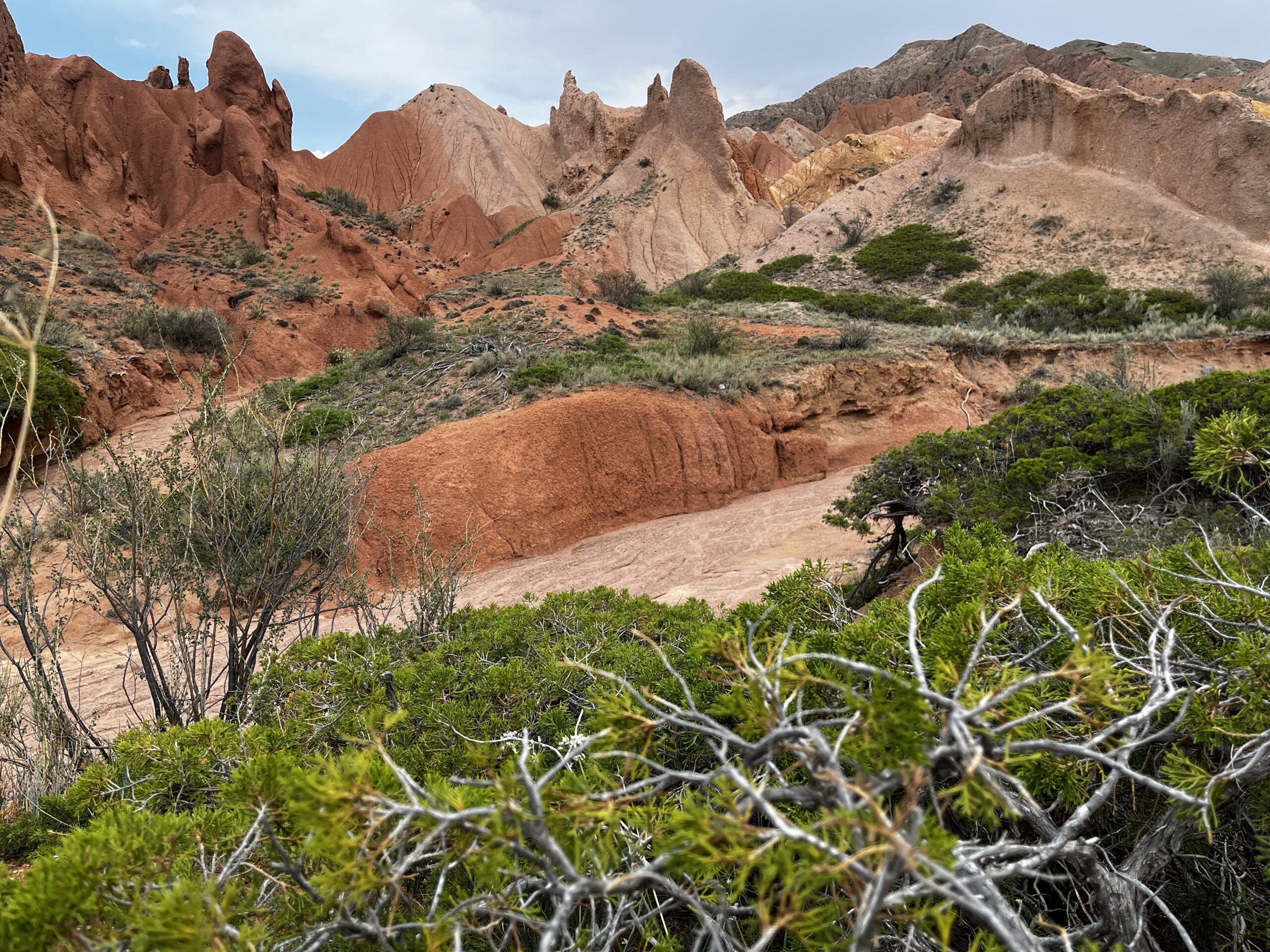
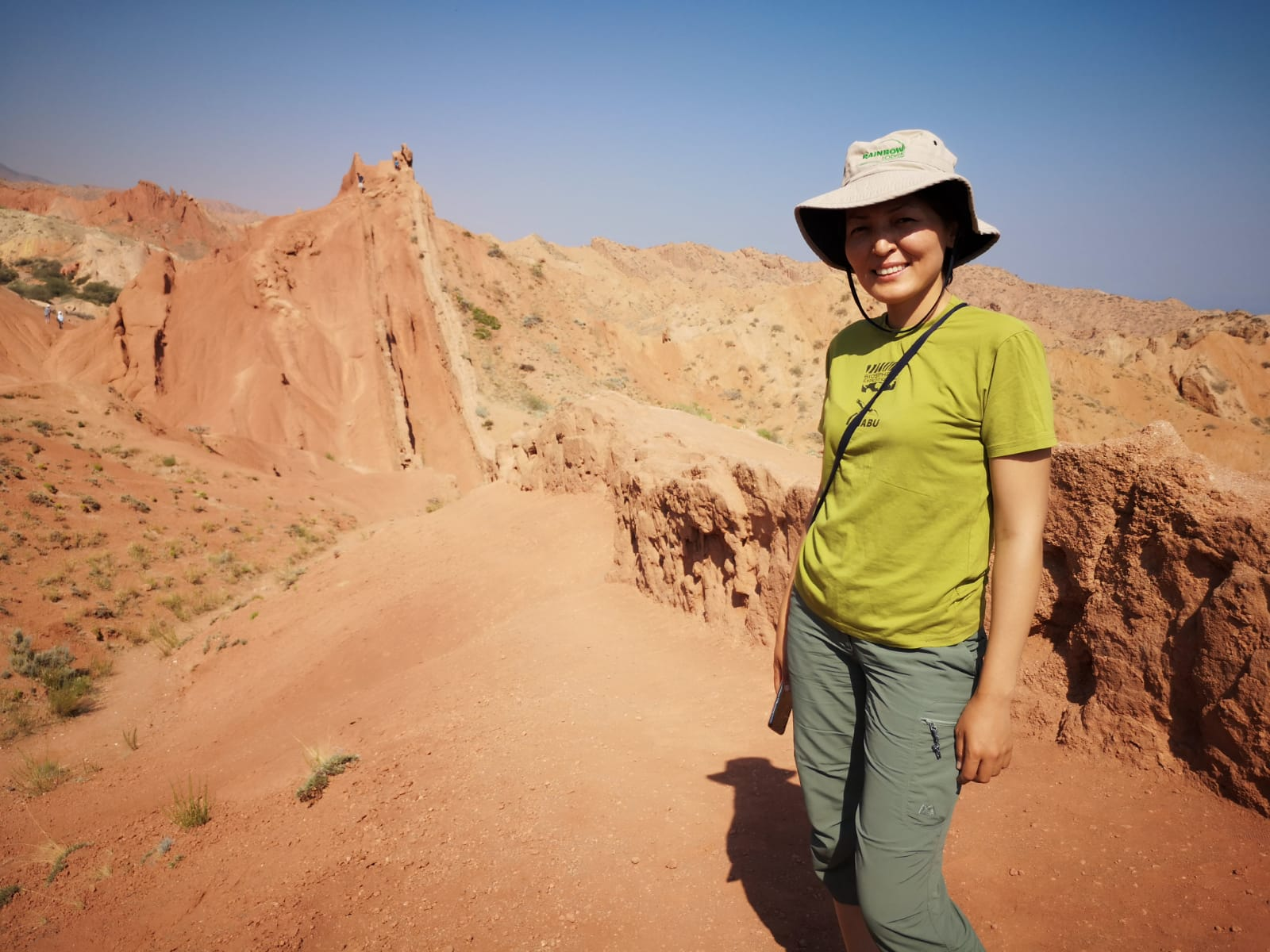
We continue to Fairy Tale Canyon, where wind and water have sculpted red sandstone into surreal formations. A gentle walk through the canyon reveals panoramic views of the lake and landscapes shaped slowly over centuries.
Later, we spend peaceful time by the lake and enjoy a swim if the weather allows. In the evening, we settle into a yurt camp surrounded by silence and open space. Over a hearty Kyrgyz dinner, we reflect on the day’s experiences.
Overnight in a yurt camp
Driving distance: 110 km (approx. 2 hours round trip)
Today is dedicated to exploring local shrines and sacred landscapes. We walk through the area and learn about the spiritual world of nomadism—its relationship with nature, sacred land, and the lake.
We explore belief systems where ancient Tengri cosmology and Islamic traditions coexist and blend. The day invites inward reflection, gratitude, and reconnection with nature.
In the evening, we join our hosts in cooking a local dish together, sharing stories and laughter. The night unfolds beneath a vast, star-filled sky.
Overnight in a yurt camp
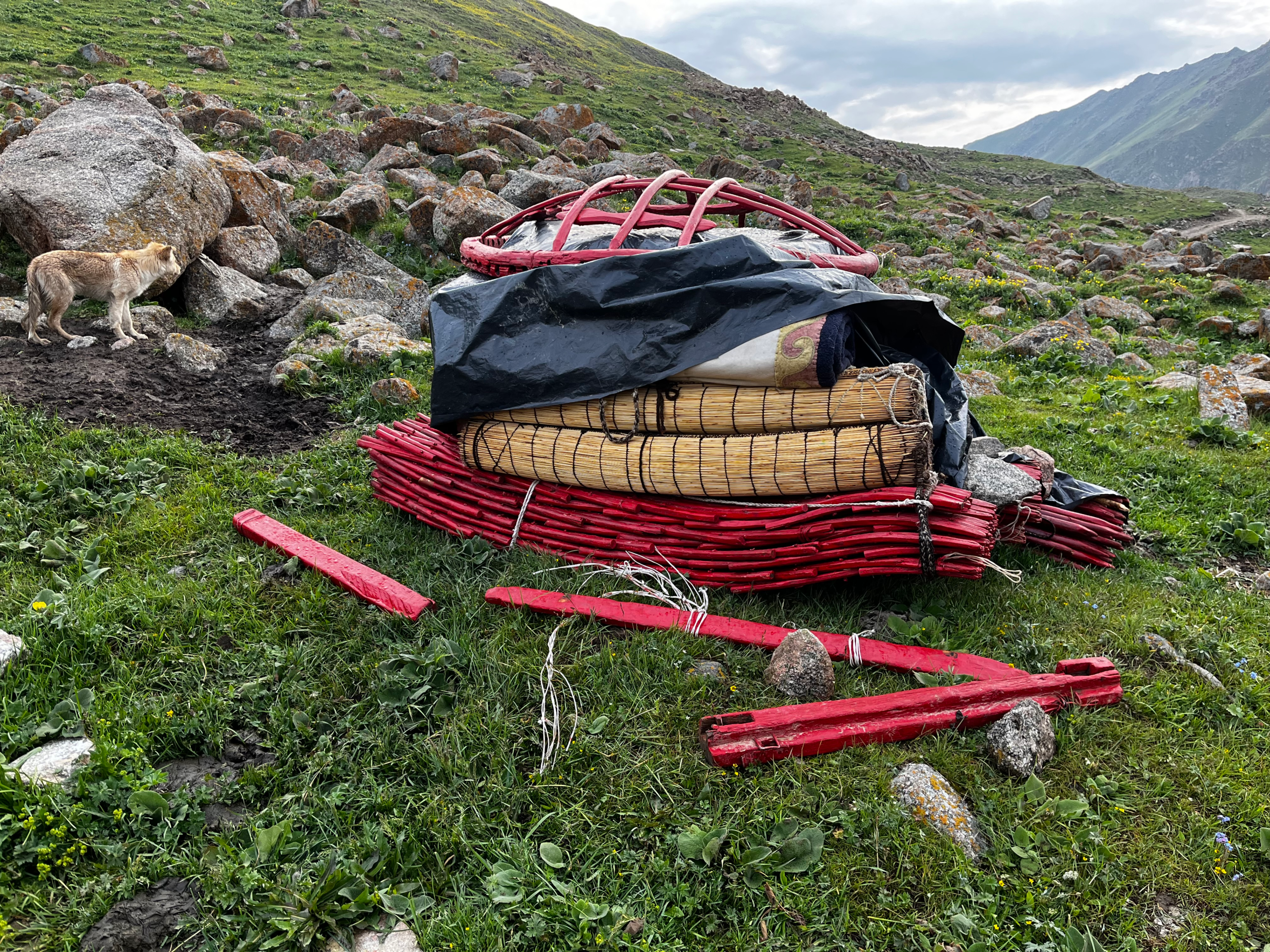
After breakfast we travel to Kyzyl-Tuu village to meet a family of yurt makers. Here we learn about the yurt as a sustainable, portable nomadic home made from willow wood, felt, reed, and natural materials – designed to be dismantled, transported, and reassembled with the seasons. Men and women traditionally create different parts of the yurt, weaving their knowledge together.
We depart for Bishkek via the scenic mountain landscapes and Orto-Tokoi Reservoir, stopping for photos and quiet reflection. The rich and diverse landscape forms a symbolic closing to the journey.
Arrival in Bishkek marks the end of the journey. A farewell dinner brings everyone together to celebrate the connections formed with the land, hosts, craftspeople, and fellow travelers.
Driving distance: 280 km (approx. 4,5 hours)


Additional Information
What’s Included
Not Included
How to book
To reserve your place, a €200 deposit is required.
Please contact us to book your spot:
WhatsApp: +996 555 52 77 55
Email: [email protected]
Small Group Prices
| Early Bird price available until June 1 | Regular price from June 1 | |
| 9–12 people | €1,800 per person | €1,900 per person |
| 6–8 people | €1,900 per person | €2,000 per person |
| 4–5 people | €2,000 per person | €2,100 per person |
| Twin accommodation, shared rooms | Twin accommodation, shared rooms |
Single accommodation (except in yurts) is available for an additional €350
Departures
| Dates Start-End | Availability Remaining Spaces | Price Per Person | |
|---|---|---|---|
| JUNE 2026 | |||
| 29 June – 10 July | 7+ Available | Early Bird price | |
| JULY 2026 | |||
| 27 July – 7 August | 7+ Available | Early Bird price | |
| SEPTEMBER 2026 | |||
| 7 September – 18 September | 7+ Available | Early Bird price |
FAQ
Many travelers can enter Kyrgyzstan visa-free for up to 60 days, depending on nationality.
We recommend checking the current entry requirements before your trip, and we’re always happy to help clarify the process if needed.
The best season is May to September.
- May–June: green landscapes, fewer visitors
- July–August: high pastures, yurt life, mountain passes
- September: golden colours, harvest season, calm atmosphere
Each season has its own character.
This is a cultural and experience-based journey with a relaxed pace.
The program includes walking tours in cities and villages, visits to cultural and historical sites, and horse riding experiences in natural settings. No trekking or technical hiking is involved, and activities are adapted to the group’s comfort level.
We stay in a mix of small guesthouses, family-run homestays and traditional yurts.
Accommodation is clean, warm and simple. Some places have shared bathrooms, especially in rural areas. This is part of the experience and something we are always transparent about in advance.
In the mountains, temperatures can drop at night — even in summer. All our accommodations are prepared for this, with warm bedding and heating where needed. We’ll also send you a detailed packing list before the trip.
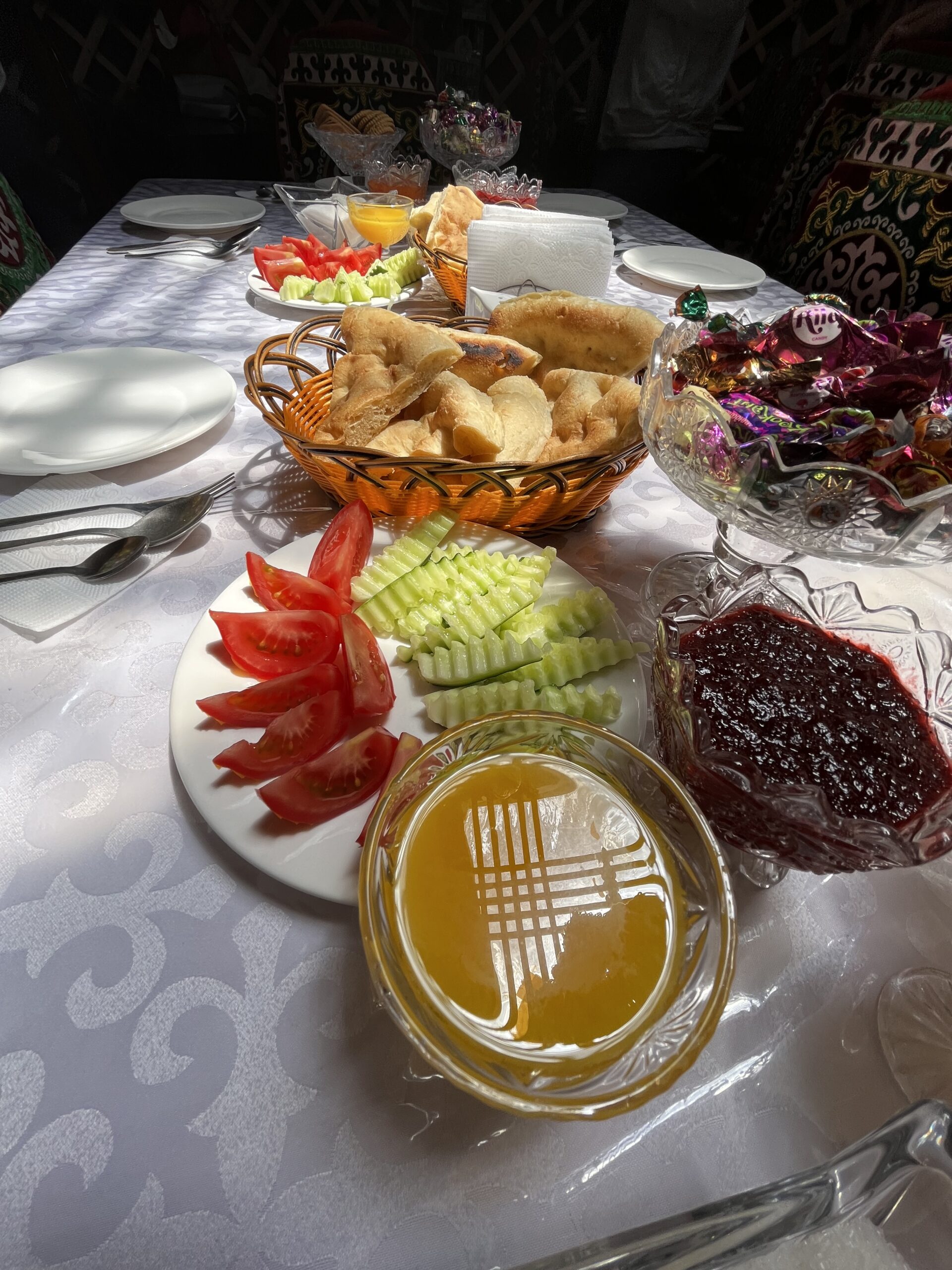
Food is mostly home-cooked and local, based on seasonal products. We can accommodate a range of dietary preferences, including vegetarian, vegan, lactose-free and gluten-free and other, if informed in advance.
Please note that in remote areas options may be more limited, but we always do our best to ensure everyone is well cared for.
We travel in small groups, usually 5–10 people. This allows for flexibility, meaningful interaction with locals and a more personal experience.
No. The tour is conducted in English. Our guides help with communication in villages and during local encounters.
Absolutely. Many of our guests travel solo and join the group individually. Small group sizes make it easy to connect with others, while still having personal space.
To keep our groups small and ensure a good fit for each journey, we use a personal booking process.
To get started, you’ll be asked to fill out a short initial questionnaire. After that, we’ll contact you via WhatsApp within a week to confirm availability, answer questions and discuss the next steps.
Yes — and we take this seriously. We work directly with local families, avoid mass-tourism routes where possible, and aim to create positive, respectful connections between travellers and local communities.
We’re always happy to help. Just write to us — travel should start with a conversation.